
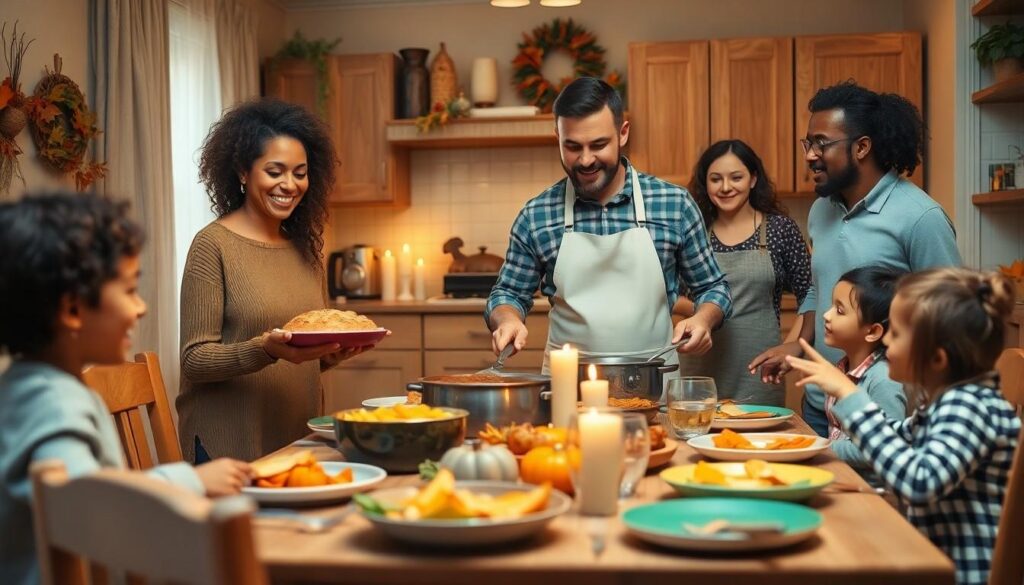
Family traditions are the glue that holds generations together, often creating laughter-filled memories that last a lifetime. From quirky holiday rituals to weekly game nights, these traditions shape family identity and foster a sense of belonging. They’re like the secret sauce in the family recipe, adding flavor and spice to everyday life.
Understanding Family Traditions
Family traditions serve as vital connections that strengthen relationships across generations. These recurring practices create a unique sense of identity, allowing families to establish a shared narrative. Recognizable events like holiday celebrations, birthday rituals, and annual vacations allow families to bond in meaningful ways. Regular activities like game nights, movie marathons, or weekend outings reinforce these connections, as they provide opportunities for interaction.
The impact of traditions extends beyond mere enjoyment. They foster resilience during challenging times, offering families a stable foundation in a fast-changing world. Repeated gatherings can create a safe space for open communication and support among family members. For instance, families that have dinner together regularly often cultivate deeper discussions and understanding between members.
Unique family traditions also reflect cultural heritage, allowing families to honor their backgrounds and pass down values. For example, some families might celebrate specific festivals, while others might share cultural recipes every holiday season. These practices nurture a sense of belonging, making members feel connected to each other and their roots.
Moreover, traditions evolve over time, adapting to reflect current realities. Families might incorporate new elements, ensuring traditions remain relevant and engaging for all ages. Across diverse family structures, each tradition carries significance, enriching the family’s collective experience.
Understanding family traditions involves recognizing their role in shaping identities, creating memories, and fostering emotional connections. Each tradition, whether big or small, contributes to the overall fabric of family life.
Common Family Traditions

Family traditions significantly enhance family bonds and create lasting memories. Various traditions, including holiday celebrations and unique rituals, contribute to a family’s identity.
Holiday Celebrations
Holidays present opportunities for families to come together and celebrate shared values. Many families partake in festive traditions, such as gathering for Thanksgiving dinners or decorating Christmas trees. Each holiday may include specific practices, like exchanging gifts on birthdays or lighting candles for Hanukkah. Such celebrations often feature special meals or activities passed down through generations, connecting family members with their cultural heritage. Together, these moments foster a sense of belonging.
Unique Rituals
Unique rituals capture families’ distinct identities and experiences. Some families hold weekly game nights, creating fun opportunities for bonding. Others engage in seasonal activities like apple picking in fall or beach trips during summer. Each ritual often reflects the family’s personality or traditions and can adapt over time to include new members or interests. These practices contribute to a shared narrative, nurturing deeper connections and memories among family members.
Importance of Family Traditions
Family traditions play a crucial role in family life. These practices strengthen relationships and create emotional ties that span generations.
Strengthening Bonds
Shared activities bring families closer. Regular traditions promote collaboration and teamwork, fostering unity among members. Each family member contributes, creating a sense of belonging. Additionally, these activities often provide opportunities for families to share stories and experiences, enhancing understanding and empathy. Traditions establish reliable routines that families rely on during times of change, ensuring stability and connection amidst life’s uncertainties.
Creating Memories
Creating cherished memories forms a key part of family traditions. Unique events, such as holiday celebrations or seasonal rituals, offer families chances to build collective narratives. Engaging in these activities enables families to reflect on past experiences, often sparking laughter and joyful moments. Over time, shared memories become treasured points of reference, enriching family bonds. The anticipation of these events adds excitement, linking generations as they share favorite moments from years gone by.
Evolving Family Traditions
Family traditions evolve as societies change, reflecting shifts in values, lifestyles, and relationships. These changes ensure traditions remain relevant, fostering connections across generations.
Modern Influences
Technological advancements impact how families create and engage in traditions. Digital communication platforms facilitate connections among distant relatives, allowing families to participate in celebrations virtually. Social media also influences tradition evolution, with families sharing experiences online. Activities can adapt to modern lifestyles, such as shifting from formal dinners to casual potlucks. Families incorporate contemporary cultural references into their rituals, maintaining relevance in a fast-paced world. Innovative approaches to holiday gatherings emerge, keeping the spirit alive while accommodating modern preferences.
Cultural Adaptations
Cultural influences shape family traditions, highlighting diversity within communities. Many families adapt rituals to blend different cultural practices, creating unique experiences. Merging cuisines during holiday celebrations represents one way to honor multiple heritages. Families often celebrate traditional events while integrating modern themes, allowing for personal expression. These adaptations nurture inclusivity, ensuring all family members feel represented. Recognizing various cultural backgrounds strengthens bonds and enriches family narratives, resulting in a deeper understanding of shared values.
Family traditions are more than just rituals; they’re the threads that weave together the fabric of family life. These cherished practices not only create joyful memories but also foster a sense of belonging and identity. As families navigate the complexities of modern life, traditions adapt and evolve, ensuring they remain relevant and meaningful.
The importance of establishing and maintaining these traditions cannot be overstated. They serve as a foundation for emotional support and connection, enriching relationships across generations. By embracing unique rituals and shared celebrations, families can cultivate a legacy that honors their past while embracing the future. Ultimately, the heart of family traditions lies in their ability to unite, inspire, and create lasting bonds that withstand the test of time.

