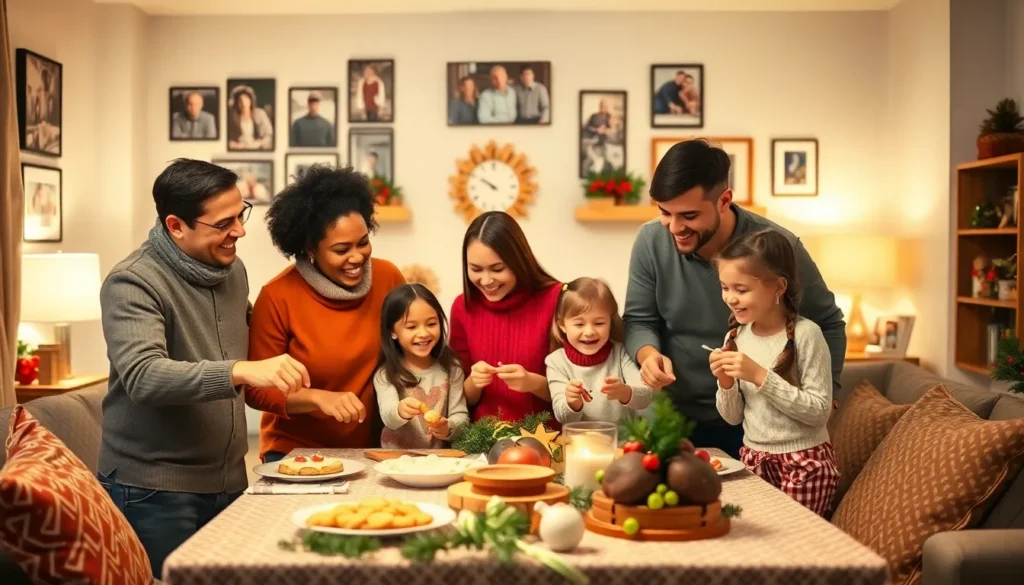
Ever wondered why families put lights on trees in December or gather around a turkey every November? Family traditions are the glue that holds together the chaotic tapestry of life. They create memories we cherish and stories that get passed down through generations. So, if you’re ready to uncover some heartwarming traditions, while possibly laughing at your own quirky family quirks, read on. Who knows? You might just feel inspired to start a new tradition of your own.
The Importance of Family Traditions
Creating Lasting Memories
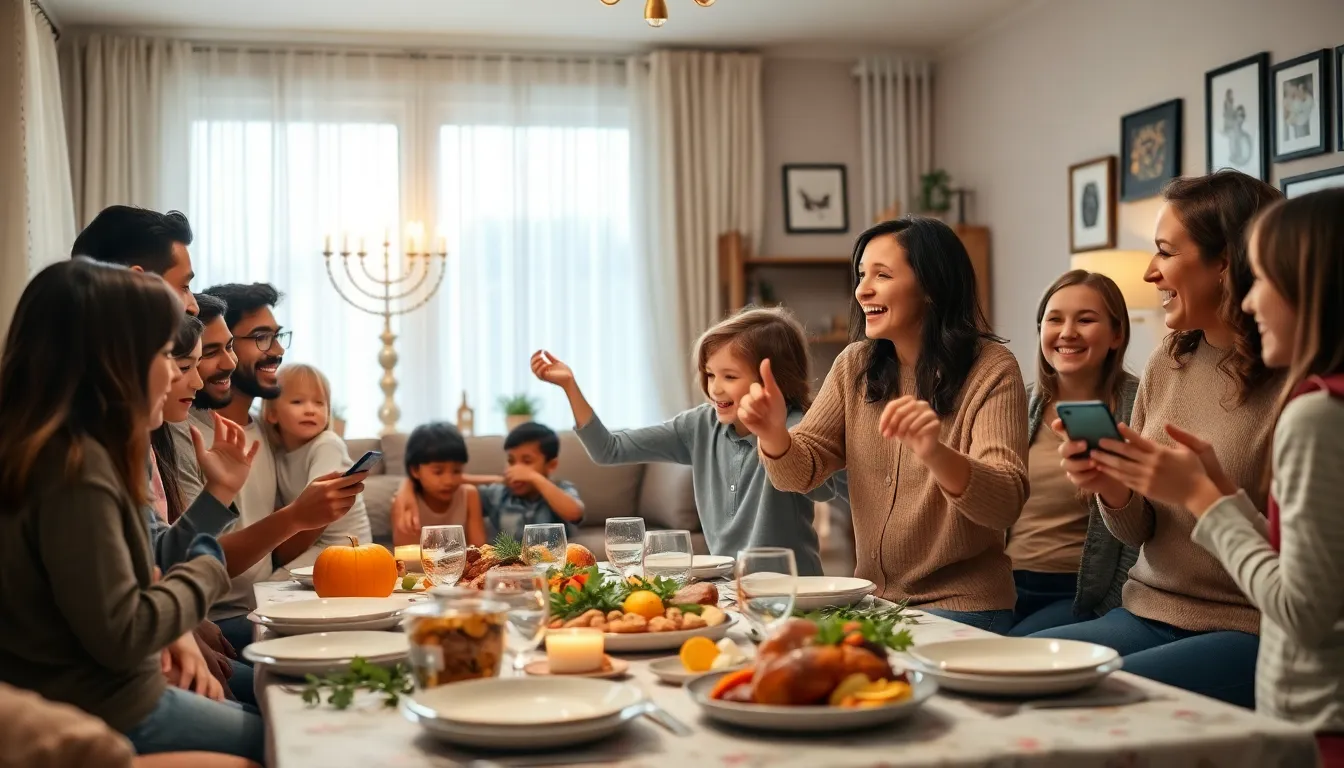
Family traditions serve as milestones in the journey of familial relationships. Each gathering, holiday, or quirky ritual works like a bookmark in the book of family life. Imagine a 10-year-old reminiscing, years later, about that ridiculous dance-off mom initiated after Thanksgiving dinner. These shared experiences etch themselves into the minds of family members, creating a rich tapestry of memories.
Strengthening Family Bonds
But oh, it’s not just about memories. Traditions have the magical ability to strengthen family bonds. They create a sense of belonging that is crucial for emotional well-being. When family members participate in rituals, they feel a greater connection to one another. Picture this: siblings arguing over who gets to light the menorah during Hanukkah, that’s a tradition sparking joy, albeit with a side of sibling rivalry. It’s these shared experiences that can transform a house into a home, even if you do step on a few toes along the way.
Types of Family Traditions
Celebratory Traditions
Celebratory traditions are the heart and soul of many families. Think birthdays, holidays, and anniversaries. Each celebration is an opportunity for families to come together and express gratitude, joy, and love. Ever noticed how many families have their unique spin on a holiday meal or annual beach trip? Those small twists in tradition keep the spark alive and make for delightful stories.
Daily or Weekly Rituals
Daily or weekly rituals offer another layer to family life. Whether it’s a Sunday brunch, Taco Tuesday, or family game night, these recurring activities create touchpoints that encourage communication and connection. They provide a rhythm to the chaos of daily life. Consider how kids look forward to these recurring moments, almost as if they’re the highlights of their week.
Seasonal Traditions
Seasonal celebrations fill the year with excitement. These can range from decorating for Halloween to planting a garden in the spring. Each season can usher in its own set of traditions that not only mark the passage of time but also bring families together for shared experiences. Imagine the joy of carving pumpkins or the anticipation of waiting for flowers to bloom.
Cultural and Heritage Practices
Cultural and heritage-based traditions offer depth to family dynamics. Families often honor their ancestry through specific practices, cuisine, and customs. This could be anything from binding together for cultural festivals, preparing traditional meals, or passing down ancient recipes. In essence, these rituals keep family history alive and often introduce younger generations to their roots.
How to Start Your Own Family Traditions
Identifying What Matters to Your Family
Starting family traditions begins with knowing what truly matters to your crew. Consider holding a family meeting where everyone gets a chance to pitch their ideas, even if it’s a suggestion as whimsical as having a yearly pajama day where everyone rocks their most colorful attire. The key here is to listen to one another and create a space for everyone’s input, you’d be surprised what joyous ideas emerge when everyone has a voice.
Incorporating Fun and Meaningful Activities
Next up, incorporate activities that resonate with your family’s unique vibe. Whether that’s baking together, hiking every summer, or exploring a new city, the activities should spark joy and interest. Just remember: it’s about quality time, not just activity. Sometimes simply enjoying each other’s company is the best part.
Staying Flexible and Open to New Ideas
Finally, keep the spirit of adaptability alive. Traditions can grow stale or lose their meaning over time. Being open to tweaking or even completely changing a tradition can keep it fresh and meaningful. Perhaps that Thanksgiving football game evolves into a family talent show. Change is good, and it keeps everyone on their toes.

