

Tiny bumps on baby skin can feel like a mystery wrapped in an adorable package. Parents often find themselves staring at their little one’s delicate skin, wondering if they’ve stumbled upon a secret language of babyhood. Is it a rash? A harmless skin condition? Or just a sprinkle of baby magic?
Understanding Tiny Bumps on Baby Skin
Tiny bumps on baby skin can arise from various factors, often leading to necessary investigation. Recognizing their causes and knowing when to seek help is essential for parents.
Common Causes
Baby skin can develop tiny bumps due to several common causes. Neonatal acne typically appears in the first few weeks and usually resolves on its own without treatment. Another cause, milia, consists of small white cysts often found on the face. Eczema can lead to dry, scaly patches that itch, accompanied by tiny bumps. Heat rash arises from overheating, often occurring in hot weather. Finally, viral infections can manifest with small bumps and may require attention; however, they usually resolve on their own with care.
When to Seek Medical Advice
Consulting a healthcare provider becomes important under certain conditions. If tiny bumps persist beyond a few weeks, seeking medical advice is wise. Noticing signs of infection, such as warmth, redness, or discharge from the bumps, also necessitates a visit to the doctor. Additionally, if the baby shows signs of discomfort or other symptoms like fever, addressing these concerns promptly offers reassurance. Receiving timely interventions can help alleviate the worries parents have regarding tiny bumps on baby skin.
Identifying the Types of Bumps
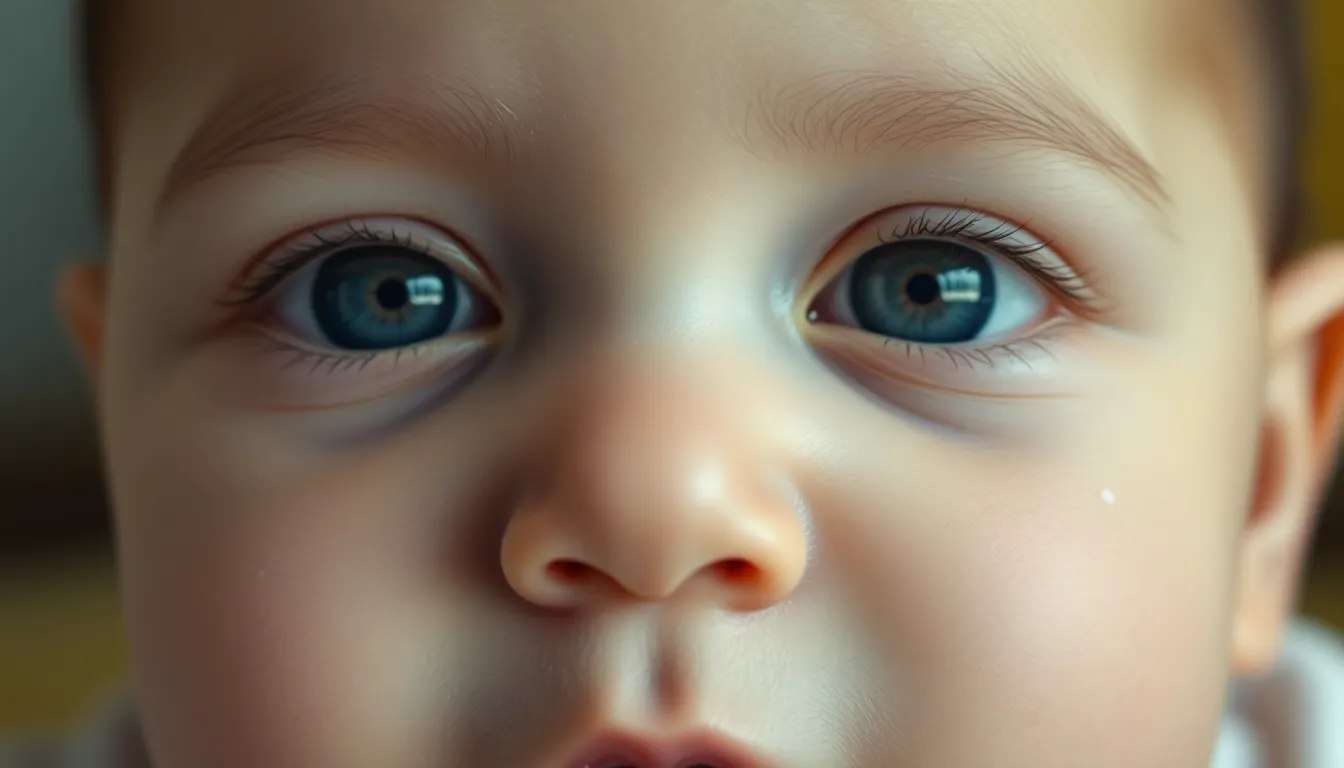
Recognizing the types of bumps on a baby’s skin is essential for parents. Each type serves as an indicator of different skin conditions or environmental factors.
Milia
Milia appears as small, white cysts commonly found on a baby’s face. These bumps often develop when skin cells become trapped beneath the surface. Milia usually resolves within a few weeks without treatment. Occasional gentle washing can aid in keeping the skin clean. Significant irritation or persistence might warrant consulting a pediatrician, but most cases are benign.
Baby Acne
Baby acne manifests as small red or white bumps, typically on the cheeks, forehead, and chin. This condition occurs due to maternal hormones lingering in the baby’s bloodstream after birth. Baby acne affects approximately 20% of newborns and usually clears up within a few months. Parents should avoid harsh products in this case, opting instead for a gentle cleanser. Persistent or severe cases might require a healthcare professional’s expertise.
Eczema
Eczema results in dry patches that can become red and itchy on the baby’s skin. This dermatological condition can cause significant discomfort and is often triggered by factors such as allergens and irritants. Approximately 10% to 20% of infants experience eczema, with symptoms peaking between 2 and 6 months. Moisturizing daily and avoiding triggers can greatly help manage the symptoms. If worsening conditions occur, consulting a dermatologist is advisable.
Heat Rash
Heat rash presents as small, red bumps in areas prone to sweating, like the neck or diaper region. Many infants experience this condition during hot or humid weather. Heat rash occurs when sweat glands become blocked, trapping sweat beneath the skin. Ensuring the baby is in a cool environment can prevent its occurrence. Most cases resolve quickly with appropriate care, but persistent symptoms may need medical evaluation.
Home Remedies and Treatments
Home remedies and treatments can effectively address tiny bumps on baby skin. These methods often reduce discomfort and promote healing.
Moisteners and Creams
Moisteners are essential for managing dry skin in infants. Creams containing natural ingredients such as shea butter or coconut oil can provide the necessary hydration. Applying these products after baths helps lock in moisture. Regular use of fragrance-free options is important, as fragrances can irritate sensitive skin. Parents may also consider using over-the-counter hydrocortisone cream for eczema. This cream reduces inflammation and itchiness when applied sparingly. Consistent moisturizing can significantly improve the appearance of bumps, promoting smoother skin.
Natural Remedies
Natural remedies are popular choices for soothing skin irritations. Aloe vera gel is a well-known option; it has soothing properties and can help calm redness. Chamomile tea, when cooled and applied as a compress, may reduce inflammation and irritation. Oatmeal baths are another soothing remedy; they relieve itchy patches caused by conditions like eczema. Parents might also explore diluted apple cider vinegar for its antiseptic qualities. When diluted properly, it can cleanse and soothe impacted areas. Always consult with a pediatrician before trying new remedies, especially with babies.
Prevention Tips
Keeping baby skin healthy helps prevent tiny bumps. Regularly bathe the baby with lukewarm water to maintain cleanliness without stripping moisture. Gentle cleansers free of fragrances or harsh chemicals minimize irritation.
Applying a suitable moisturizer after baths locks in hydration. Parents should opt for products containing natural ingredients like shea butter or coconut oil. These ingredients can soothe the skin and prevent dryness, reducing the likelihood of bumps.
Dressing the baby in breathable fabrics ensures comfort. Lightweight cotton clothing allows air circulation, which helps prevent overheating and reduces the risk of heat rash. Additionally, keeping the baby’s environment at a reasonable temperature prevents sweating that may lead to skin irritations.
Using sunscreen specifically designed for infants protects sensitive skin from harmful UV rays. It’s crucial to apply sunscreen when the baby is outdoors, even for short periods.
Regularly examining the baby’s skin helps identify any changes early. Early detection of unusual bumps can lead to timely consultation with a healthcare provider, ensuring any necessary treatment can be initiated.
Avoiding known triggers for conditions like eczema leads to better skin health. Parents can keep a diary noting dietary changes or environmental factors that may affect the baby’s skin. This practice helps pinpoint specific irritants, allowing for adjustments to minimize skin reactions.
Implementing these prevention tips creates a proactive approach to caring for the baby’s skin, reducing the occurrence of tiny bumps and keeping them comfortable.
Tiny bumps on baby skin can be concerning for parents but understanding their causes can provide reassurance. Most bumps are harmless and resolve on their own with proper care. By recognizing the differences between conditions like neonatal acne, milia, and eczema, parents can take appropriate steps to manage their baby’s skin health.
Implementing preventive measures and using gentle products can help maintain healthy skin and reduce the occurrence of bumps. Always consult a pediatrician if there’s any doubt or if symptoms persist. This proactive approach not only ensures the baby’s comfort but also fosters peace of mind for parents navigating this common issue.

