

In the ever-evolving landscape of the gaming industry, PlayStation has carved a niche for itself as a leader in innovation and community engagement. With the advent of platforms like ImagineerGames, the interplay of social media and gaming content has reached new heights. This article delves into the significance of PlayStation’s posts on ImagineerGames and explores how they enhance brand interaction and community participation.
Overview of PlayStation Posts
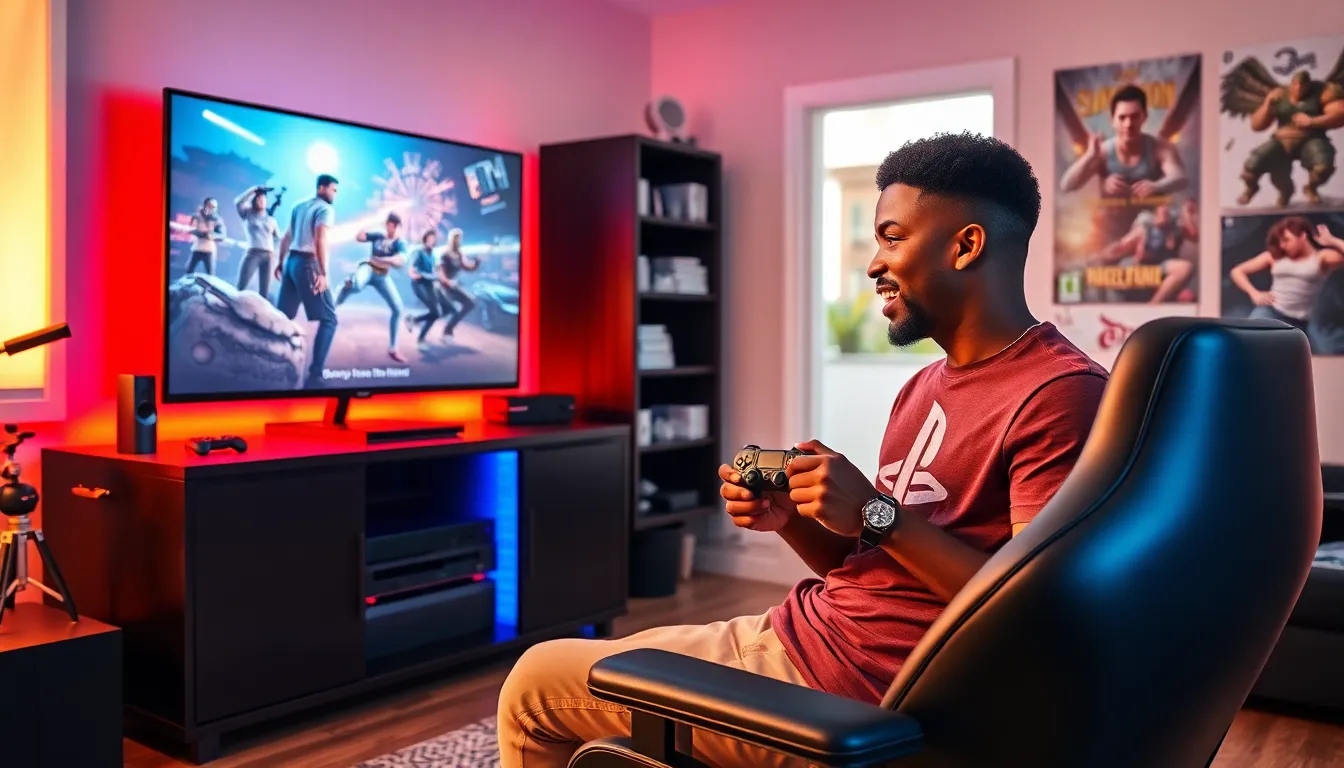
PlayStation stands as one of the premier gaming brands in the world, renowned not just for its hardware and game titles but also for its dynamic approach to social media engagement. The company regularly shares updates about new game releases, console features, and community highlights through its various channels. PlayStation posts are crafted to not only inform but to spark dialogue and excitement amongst its diverse audience. With a focus on community and user input, these posts serve as a bridge connecting the brand with its dedicated fanbase.
What Are ImagineerGames?
ImagineerGames is an innovative social platform designed specifically for gamers to share their experiences, stories, and creations. This platform allows users to post gameplay videos, art, and insights, fostering a community-driven environment where creativity thrives. PlayStation’s involvement with ImagineerGames emphasizes their commitment to connecting with gamers on a personal level. By integrating user-generated content and actively responding to community contributions, PlayStation enhances its visibility and relevance in a competitive market.
The Importance of Community Engagement
Community engagement is paramount in the gaming industry. It not only builds a loyal customer base but also transforms casual players into advocates for the brand. PlayStation excels in this area, leveraging social media platforms to create meaningful conversations around their games and brand.
How PlayStation Uses Social Media
PlayStation actively utilizes platforms like Twitter, Facebook, and Instagram to engage with their audience. They share content that resonates with gamers, such as behind-the-scenes footage, game trailers, and exclusive interviews with developers. This strategy fosters a sense of community and encourages users to participate in discussions around their favorite games.
Building a Strong Brand Presence
A strong brand presence is critical for retaining and attracting gamers. PlayStation’s social media posts are designed to reflect the brand’s core values, innovation, inclusivity, and excitement. By consistently delivering quality content, they enhance their identity and promote user loyalty.
Case Studies of Successful Posts
Successful social media campaigns often highlight the power of user interaction and feedback. PlayStation’s ability to adapt its strategy based on community input has led to memorable online moments.
User Interaction and Feedback
One notable instance was during the release of a highly anticipated title, where PlayStation encouraged fans to share their initial impressions and screenshots. This not only generated buzz but also showcased how responsive the company is to its audience. Engaging with fans’ content through likes and shares created a feedback loop that strengthened the community’s sense of belonging.
Importance of User-Generated Content
User-generated content (UGC) is immensely valuable in the gaming community. It provides authentic insights and experiences that resonate more deeply with potential players. PlayStation’s strategy includes a focus on UGC, showcasing players’ achievements and creative endeavors. By highlighting community content, PlayStation nurtures creativity and offers recognition, which in turn encourages more users to contribute their own experiences. UGC not only bolsters community ties but also enriches the overall gaming experience, drawing in new players who see the engaging content from their peers.
Future Trends in Social Media Marketing
Looking ahead, several trends are poised to shape the future of social media marketing within the gaming industry. A more significant emphasis on video content is expected, as platforms like TikTok and YouTube continue to capture the attention of younger audiences. Also, augmented reality (AR) and virtual reality (VR) could become essential tools for brands looking to engage consumers in innovative ways. PlayStation’s ongoing investment in these technologies indicates a likely shift towards immersive marketing experiences that not only entertain but also invite direct interaction from users.
Conclusion
PlayStation’s posts on platforms like ImagineerGames exemplify the power of community in the gaming industry. By fostering user interaction, showcasing user-generated content, and keeping pace with future trends, PlayStation not only promotes its brand but also enriches the gaming experience for its audience. As social media continues to evolve, so too will the strategies that gaming companies employ, creating a landscape where players can thrive and feel valued in their passion for gaming.