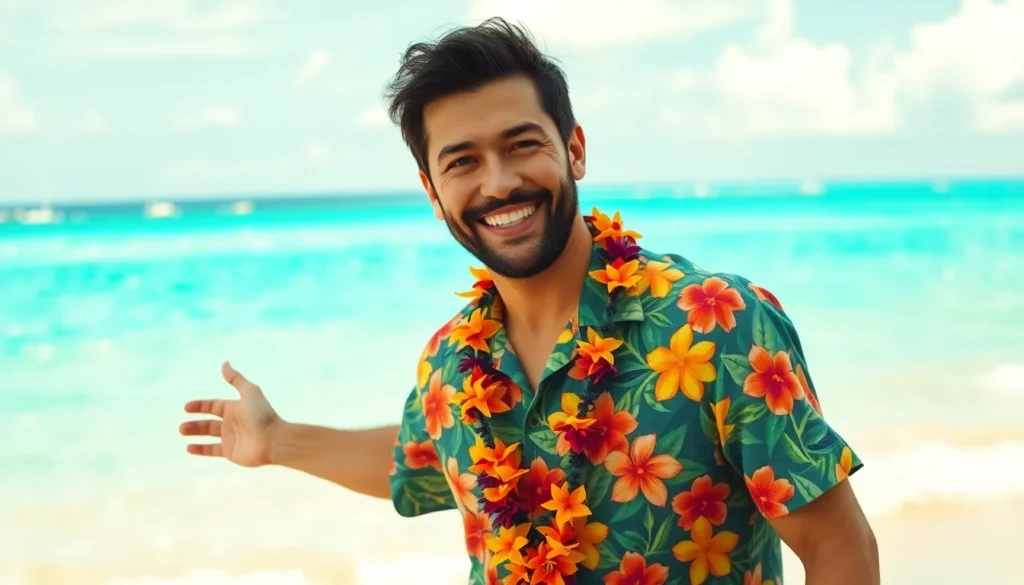
Imagine stepping onto the sun-soaked shores of Hawaii, where the gentle waves kiss the sand and the air is filled with the sweet scent of plumeria. You’re ready to embrace the Aloha spirit, but wait—do you know how to say hello in Hawaiian? If not, don’t worry; you’re not alone!
Understanding Hawaiian Greetings
Hawaiian greetings reflect the rich culture and traditions of the islands. Learning these phrases enhances the visitor experience and fosters a deeper connection to the Aloha spirit.
The Importance of ‘Aloha’
The term ‘Aloha’ extends beyond a simple greeting. Embracing ‘Aloha’ embodies love, compassion, and respect in Hawaiian culture. Using this word represents a warm welcome and signifies friendship. Visitors often find that greeting with ‘Aloha’ cultivates an immediate bond with locals. Its usage establishes an understanding of openness and goodwill, crucial elements in this vibrant community.
Other Common Greetings
In addition to ‘Aloha,’ several other greetings enrich conversations in Hawaii. ‘Aloha kakahiaka’ means good morning and is commonly used during early hours. ‘Aloha ʻauinalā’ translates to good afternoon, greeting others during midday. For evening encounters, ‘Aloha ahiahi’ becomes the phrase of choice for good evening. Each greeting reflects the time of day, showing the respect Hawaiians have for the natural rhythms of life. Using these greetings connects visitors to the local culture and enhances their overall experience in Hawaii.
Pronunciation Tips

Understanding the pronunciation of Hawaiian greetings brings visitors closer to the culture. Mastering these sounds helps in effectively embracing the Aloha spirit.
Phonetic Breakdown
Hawaiian pronunciation differs from English. Aloha sounds like “ah-LOH-hah,” with emphasis on the second syllable. Each vowel in Hawaiian is pronounced distinctly. ‘A’ is short as in “father,” ‘E’ resembles the “ey” in “stay,” ‘I’ is like “ee” in “see,” ‘O’ sounds like “oh,” and ‘U’ is pronounced as “oo” in “food.” Familiarizing oneself with these vowels aids in clarity during greetings. Practicing phonetic pronunciation provides confidence in interacting with locals.
Common Mispronunciations
Common errors often stem from English speaker habits. A frequent mispronunciation is saying “Aloha” as “uh-LOH-a”. This mistake diminishes the greeting’s essence. Another common error involves the incorrect stress on the syllables. Stressing the initial syllable rather than the second leads to misunderstandings. Additionally, blending vowels incorrectly can result in vague communication. Recognizing these pitfalls allows for more accurate representation of the Hawaiian language. Efforts to speak correctly reflect respect for local customs and traditions.
Cultural Context
Understanding Hawaiian greetings involves appreciating their cultural significance. Greetings form a vital part of social interactions in Hawaii, embodying the Aloha spirit. The term Aloha signifies more than a simple hello. It conveys love, compassion, and respect between individuals, reinforcing community bonds.
Significance of Greetings in Hawaiian Culture
In Hawaiian culture, greetings signify warmth and connection. Each greeting reflects a respect for relationships, honoring both friends and strangers. Aloha serves as a powerful reminder of kindness, encouraging positive interactions. The use of specific greetings during different times of day highlights a deep understanding of natural rhythms. Individuals often feel a sense of belonging when greeted with Aloha, fostering a spirit of unity among locals and visitors alike.
Associated Customs and Practices
Many customs accompany greetings in Hawaii, enhancing the Aloha spirit. Handshakes or hugs often follow verbal greetings to strengthen connections. Sharing smiles or eye contact demonstrates genuine interest in the person being greeted. Embracing a relaxed demeanor shows respect for the pace of life on the islands. Visitors integrating these practices enrich their experiences and nurture relationships with locals. Engaging in these customs encourages open dialogue and builds lasting memories.
Practical Examples
Hawaiian greetings enhance social interactions. Visitors can efficiently connect with locals by using the right terms in diverse situations.
Using ‘Aloha’ in Different Situations
‘Aloha’ serves as a versatile greeting. It fits any time of day, making it unique and inclusive. During mornings, greeting someone with ‘Aloha kakahiaka’ conveys warmth and respect. In social gatherings at midday, ‘Aloha ʻauinalā’ personalizes interactions and fosters connection. As evening approaches, ‘Aloha ahiahi’ reflects awareness of the daily rhythm. Striking a friendly tone, the simple word ‘Aloha’ captures the essence of the Aloha spirit, extending an open invitation to engage.
Alternatives to ‘Aloha’
Several greetings complement ‘Aloha.’ For a formal setting, ‘Aloha mai e’ signifies respect toward newcomers. ‘Aloha pumehana’ denotes affection and warmth among close friends. ‘E komo mai’ welcomes guests into a space, creating an inviting atmosphere. Family and friendly gatherings can benefit from using ‘Aloha nui,’ expressing deep love and appreciation. These alternatives enrich conversations and manifest the cultural depth in Hawaii, building stronger connections.
Embracing Hawaiian greetings opens the door to a richer experience in the islands. By learning phrases like “Aloha kakahiaka” and “Aloha ahiahi,” visitors can connect more deeply with the local culture. The emphasis on pronunciation and cultural context enhances interactions and fosters genuine relationships with the locals.
Using these greetings not only shows respect for Hawaiian traditions but also embodies the Aloha spirit of love and compassion. Each phrase carries a unique significance that reflects the beauty of Hawaiian life. As visitors practice these greetings, they become part of a welcoming community, creating lasting memories and meaningful connections.

