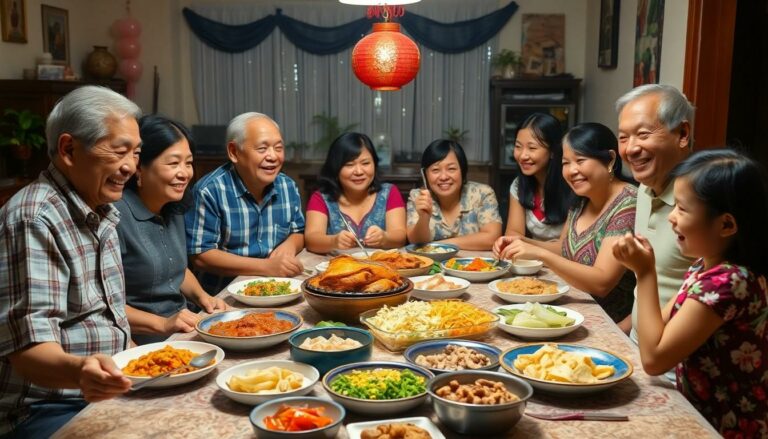
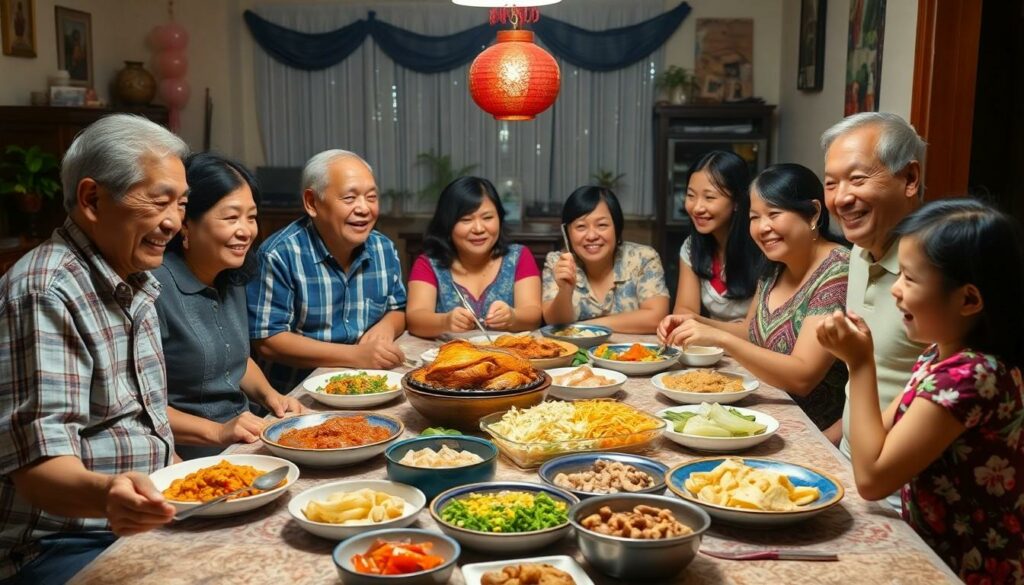
Filipino family traditions are like a vibrant tapestry woven with love, laughter, and a sprinkle of chaos. From the bustling holiday feasts to the heartfelt gatherings, these customs shape the unique identity of Filipino families. Imagine a table overflowing with delicious dishes, where everyone fights for the last piece of adobo—it’s a culinary battle worth witnessing!
Overview Of Filipino Family Traditions
Filipino family traditions play a crucial role in shaping societal values and community bonds. Celebrations and gatherings serve as opportunities for relatives to reconnect and share experiences. Special occasions often involve communal feasts with dishes such as lechon, pancit, and lumpia being prepared and enjoyed.
Respect for elders remains integral to Filipino culture. Practices such as “mano,” where younger members of the family take an elder’s hand and gently press it to their forehead, honor this tradition. Support and care for extended family members exemplify the strong familial ties that Filipino families value.
Holidays like Christmas or birthdays highlight the importance of family unity. Caroling and decorating homes create a festive atmosphere, while gift-giving reinforces the bond among relatives. Group activities, such as collective cooking or volunteering, further nurture relationships and community spirit.
Education also embodies a significant aspect of family life. Parents prioritize their children’s academic success and instill a strong work ethic from a young age. Family gatherings often include discussions about educational goals and achievements, reinforcing the collective support system.
Religious practices, intertwined with various family traditions, offer stability and guidance. Many Filipino families participate in communal worship or celebrate significant religious events together. Alongside these spiritual aspects, cultural observances strengthen the sense of identity and belonging.
Outdoor activities, such as volleyball or basketball games, foster connections among family members. Families often spend weekends participating in recreational outings, encouraging teamwork and camaraderie. These shared experiences contribute to lifelong memories, encapsulating the essence of Filipino family traditions.
Importance Of Family In Filipino Culture

Family holds immense significance in Filipino culture, shaping values and social interactions. Close connections among family members create a strong support network, essential for emotional and practical assistance.
Close-Knit Family Bonds
Close-knit family bonds define the fabric of Filipino life. Families often gather during holidays, forming shared memories that last a lifetime. Supportive environments foster collaboration in daily activities, from education to celebrations. Extended families, including grandparents, aunts, and uncles, play vital roles in raising children, reinforcing unity and shared responsibilities. Regular gatherings, like Sunday dinners or celebrations, enhance interpersonal relationships and strengthen ties. The commitment to maintaining these bonds illustrates the priority Filipino culture places on family, establishing it as the foundation of social structure.
Respect For Elders
Respect for elders is paramount in Filipino culture. Elders receive high regard and influence family decisions, providing wisdom and guidance. Practices like “mano,” a gesture of greeting that involves a younger person taking an elder’s hand and pressing it to their forehead, exemplify this deep respect. Celebrating milestones for elders, such as birthdays or anniversaries, shows appreciation and reinforces their esteemed position within the family. Children grow up valuing their elders, learning to listen to and heed their advice. The significance of elder respect extends to social interactions, contributing to a culture rooted in care and communal obligations.
Celebrations And Rituals
Celebrations and rituals form the heartbeat of Filipino family traditions. These occasions bring relatives together, showcasing the importance of connections and shared experiences.
Family Gatherings
Family gatherings serve as a cornerstone in Filipino culture. Weekly get-togethers, such as Sunday dinners, create space for bonding and relationship strengthening. Laughter and storytelling often fill these events, allowing everyone to share their lives. These deep connections extend beyond the nuclear family, welcoming extended relatives like grandparents, aunts, and uncles into the fold. Over time, these gatherings become cherished memories that define family identity.
Festivals And Special Occasions
Festivals and special occasions feature prominently in Filipino life. Events such as Christmas and birthdays receive elaborate celebrations filled with unique customs. On Christmas, families engage in traditions like decorating the parol and caroling, fostering unity and joy. During birthdays, party preparations include feasting on favorite dishes like lechon and pancit, creating feelings of warmth and excitement. Unique regional festivals showcase local cultures and history, drawing communities closer and celebrating shared identities. Through these events, memorable experiences highlight family values, reinforcing longstanding connections.
Daily Family Life
Daily life in Filipino families revolves around strong connections and shared experiences. Family gatherings and everyday interactions highlight the importance of unity and support.
Shared Meals
Shared meals hold a sacred place in Filipino families. Dinner time often becomes a time for bonding, where family members come together to enjoy dishes like adobo and pancit. Special occasions bring out a feast, featuring lechon and lumpia. Meals serve as a platform for storytelling, laughter, and building memories. Regular interactions during meals reinforce familial bonds and create an atmosphere of joy. Mealtime traditions cultivate a sense of belonging and continuity, enriching the family’s identity.
Roles Within The Family
Roles within Filipino families reflect a deep-rooted structure. Each member contributes to the family’s success, with parents generally leading in education and financial support. Elders play a crucial role, offering wisdom and guidance. Children are taught to respect and listen to their parents and grandparents. When families come together, they share responsibilities, whether raising children or planning gatherings. This collaboration fosters a sense of unity and shared purpose. The interdependence among family members strengthens bonds and establishes long-lasting connections.
Impact Of Modernization On Filipino Family Traditions
Modernization significantly influences Filipino family traditions, altering the ways families interact and celebrate. Changing lifestyles result in busy schedules that often limit family gatherings. Technology introduces new forms of communication, yielding both benefits and challenges in maintaining close relationships. Online platforms facilitate connections, allowing relatives to share experiences despite physical distance.
Shifted priorities often emerge as family members pursue education and careers. Individuals frequently relocate for better opportunities, leading to smaller gatherings. These dynamics affect the frequency of traditional celebrations, where large family reunions once flourished. Occasional virtual gatherings partially fill this gap, but they lack the warmth of in-person connections.
Younger generations embrace global influences, blending traditional customs with modern practices. Festivals like Christmas still unite families, yet the ways celebrations occur may evolve. Adobo and lechon remain staples during feasts, but international cuisines also make their way to the table, reflecting a fusion of cultures.
Elders observe these transformations with mixed feelings. While they appreciate the convenience of new technologies, many express concern over the potential weakening of family bonds. Active discussions around family values focus on maintaining respect for traditions, even amidst change.
Cultural preservation efforts gain momentum as communities recognize the importance of traditions. Local organizations emphasize family-centric activities that nurture connections. For instance, cultural events celebrate Filipino heritage, fostering pride and unity among families.
Ultimately, modernization reshapes Filipino family traditions, prompting adaptations while highlighting the enduring significance of familial relationships. Families continuously navigate this evolving landscape, striving to balance tradition with contemporary life.
Filipino family traditions are a vibrant testament to the strength and resilience of familial bonds. These customs not only celebrate unity but also foster a sense of belonging that transcends generations. As families navigate the complexities of modern life, the essence of these traditions remains a guiding force.
While the influence of globalization and technology may reshape how celebrations occur, the core values of respect, love, and support endure. Filipino families continue to prioritize connection, ensuring that their rich cultural heritage thrives amidst change. The ongoing commitment to nurturing these traditions speaks volumes about the importance of family in Filipino society, making it a cornerstone of their identity.