
Family traditions and values are like the secret sauce that makes life delicious. They bring people together, create lasting memories, and sometimes lead to those hilarious, “remember when” stories that get told at every family gathering. Whether it’s Grandma’s famous cookie recipe or the annual holiday game night that inevitably ends in friendly chaos, these rituals shape who we are and connect generations.
In a world that’s constantly changing, holding onto these cherished practices can feel like a warm hug on a chilly day. They remind us of where we come from and what really matters. So, why not dive into the delightful world of family traditions and values? It’s time to celebrate the quirks and customs that make each family unique while discovering how they can strengthen bonds and enrich lives. After all, who doesn’t love a good family story mixed with a side of laughter?
Understanding Family Traditions and Values
Family traditions and values form the backbone of familial connections. These elements play a key role in creating a sense of identity and continuity across generations.
Definition of Family Traditions
Family traditions encompass shared practices or customs that families celebrate together. Examples include holiday gatherings, birthday rituals, or cooking special recipes that have been passed down. Such traditions hold significance as they preserve family history and promote bonding among members. Each family’s unique set of traditions reflects its values, beliefs, and cultural heritage. Celebrating these rituals strengthens ties, fosters a sense of belonging, and creates cherished memories that last a lifetime.
Importance of Family Values
Family values serve as guiding principles that shape behavior and decision-making. Core values like respect, honesty, and support foster healthy relationships among family members. Emphasizing these values ensures children grow up understanding their importance, influencing their interactions outside the family unit. In challenging times, family values provide a framework for support and guidance. Upholding and practicing these values strengthens family cohesion and nurtures emotional well-being. Families that prioritize their values cultivate an environment where individuals feel secure, loved, and valued.
Types of Family Traditions
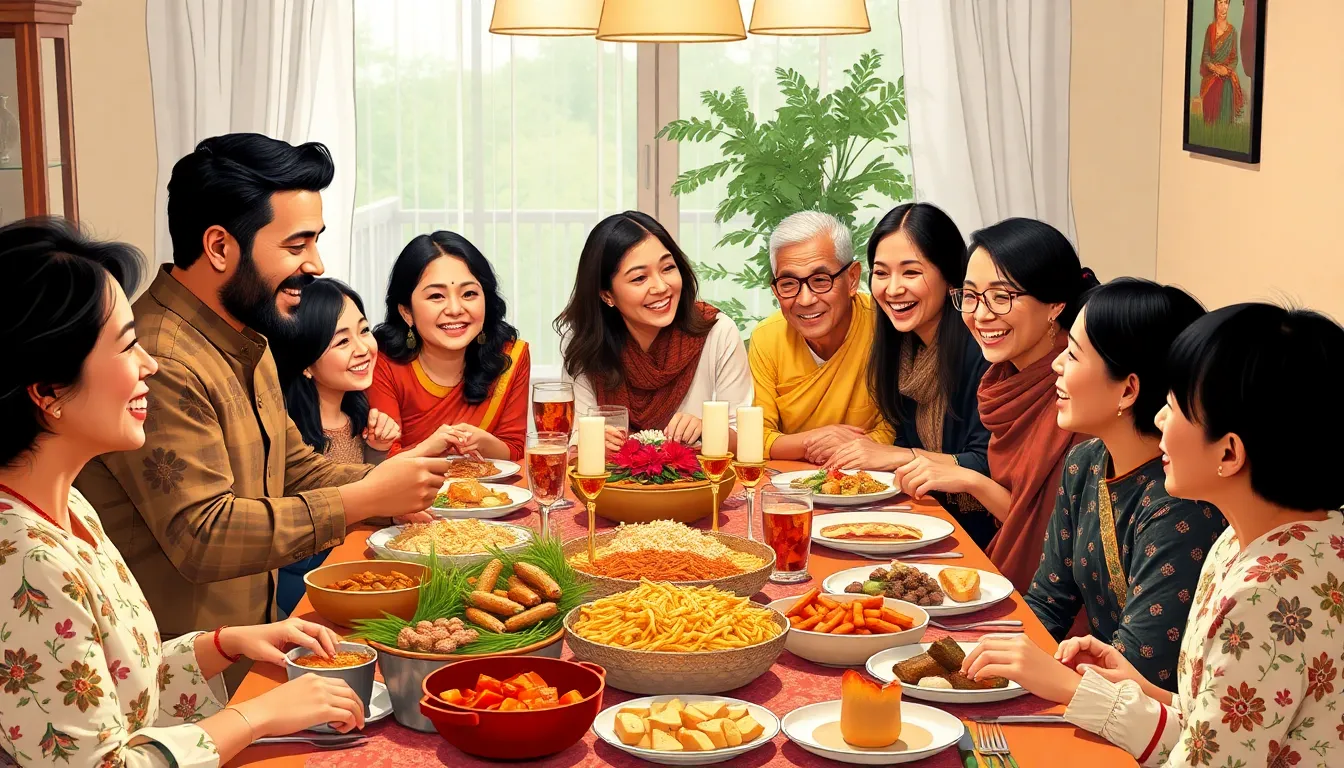
Family traditions vary widely, reflecting each family’s unique identity and values. Below are some common types.
Cultural Traditions
Cultural traditions celebrate a family’s heritage. Families often share specific customs during cultural festivals, such as Diwali or Thanksgiving. Certain recipes passed down through generations highlight cultural significance. Music and dance frequently play a role in these traditions, allowing families to connect with their roots. Language preservation often occurs through storytelling or specific phrases used in family gatherings.
Religious Traditions
Religious traditions provide spiritual connection and guidance. Families usually observe holidays like Christmas or Ramadan, marking special practices and rituals. Many families participate in prayer, meditation, or worship services, reinforcing their beliefs. Milestones, such as baptisms or bar mitzvahs, hold great significance within families, allowing them to commemorate important life events. These practices often teach moral values and foster a sense of community.
Seasonal Traditions
Seasonal traditions celebrate the uniqueness of each season. Families may create activities around holidays like Halloween or summer vacations. Common practices include decorating homes, preparing seasonal foods, or partaking in outdoor activities. Seasonal traditions foster connection among family members, as they often involve shared experiences, such as annual trips to the beach or tree decorating. Celebrating the change of seasons helps families create lasting memories tied to specific times of the year.
The Role of Family Values in Society
Family values significantly shape societal norms and expectations. They create a foundation for strong relationships among family members.
Building Strong Relationships
Shared values enhance emotional connections within families. Respect fosters trust, while effective communication encourages understanding. Traditions play a crucial role in reinforcing bonds, providing families with shared experiences that strengthen relationships. Annual events let families connect, creating memories that withstand the test of time. Involvement in these rituals promotes unity and a sense of belonging, making each member feel valued and appreciated.
Influencing Behavior and Choices
Core family values guide decision-making and behaviors in various aspects of life. Parents instill principles such as honesty and responsibility, shaping the character of children. These teachings influence choices, ranging from relationships to education. When families prioritize kindness and empathy, they encourage members to act authentically and supportively toward others. Values serve as a compass, helping individuals navigate challenges and develop healthy, meaningful interactions within their communities.
Challenges to Family Traditions and Values
Family traditions and values face several challenges in today’s society. These challenges arise from external and internal shifts in family dynamics.
Modern Influences
Technology significantly impacts family traditions. Social media creates new forms of connection but can dilute traditional practices. Families often find themselves balancing time spent online with time spent together. Globalization introduces diverse cultures, enriching family experiences but sometimes conflicting with established traditions. Additionally, busy lifestyles lead to challenges in maintaining regular family gatherings, which jeopardizes continuity in family customs.
Changing Dynamics
Changing family structures also present challenges. Blended families, single-parent households, and varying cultural backgrounds contribute to a complex landscape. Each configuration brings unique traditions that may differ, creating potential for misunderstandings. Children increasingly value autonomy, occasionally placing their needs and preferences above family rituals. As a result, established customs may fade if not actively practiced. Adapting to these dynamics requires families to find common ground while respecting individual preferences.
Family traditions and values play a crucial role in shaping identities and strengthening bonds among family members. They create a sense of belonging and foster connections that transcend generations. By actively engaging in these practices and upholding core values, families can navigate the complexities of modern life while preserving their unique heritage.
Embracing family traditions not only enriches individual lives but also reinforces the collective spirit of the family unit. As families adapt to changing dynamics, it’s essential to find a balance that honors the past while welcoming new experiences. Ultimately, the joy and laughter shared through these customs will continue to weave the fabric of family life, ensuring that cherished memories endure for years to come.

