

Understanding child psychology is like unlocking the secret code to a child’s mind. It’s not just about deciphering tantrums or figuring out why they insist on wearing superhero capes to the grocery store. It’s about grasping the intricate web of emotions, thoughts, and behaviors that shape their world.
In a world where kids are mini tornadoes of energy and curiosity, knowing how they think can make all the difference. From navigating their fears to fostering their creativity, diving into child psychology can transform the way parents and educators connect with children. So, buckle up for a journey that’s equal parts enlightening and entertaining. After all, who wouldn’t want to become a child whisperer?
Overview of Child Psychology
Child psychology focuses on understanding the emotional, cognitive, and social development of children from infancy to adolescence. This field encompasses various theories and methods that explain how children grow and interact with their environment.
Definition and Scope
Child psychology studies the behavior and mental processes of children. It examines development stages and identifies factors influencing growth, such as family dynamics, culture, and education. Evaluating both typical and atypical behaviors provides insights into children’s needs. Therapeutic approaches and interventions tailored for children offer effective support for behavioral issues. Researchers and practitioners use observations, assessments, and interviews to gather valuable data.
Importance in Development
Understanding child psychology is crucial for healthy development. It fosters improved communication between parents and children, leading to stronger relationships. Awareness of a child’s emotional and cognitive needs can enhance educational strategies. Detecting early signs of emotional distress or behavioral problems improves outcomes. Ultimately, nurturing environments positively impact a child’s self-esteem, social skills, and academic performance. Effective interventions empower children to thrive and reach their potential.
Key Theories in Child Psychology
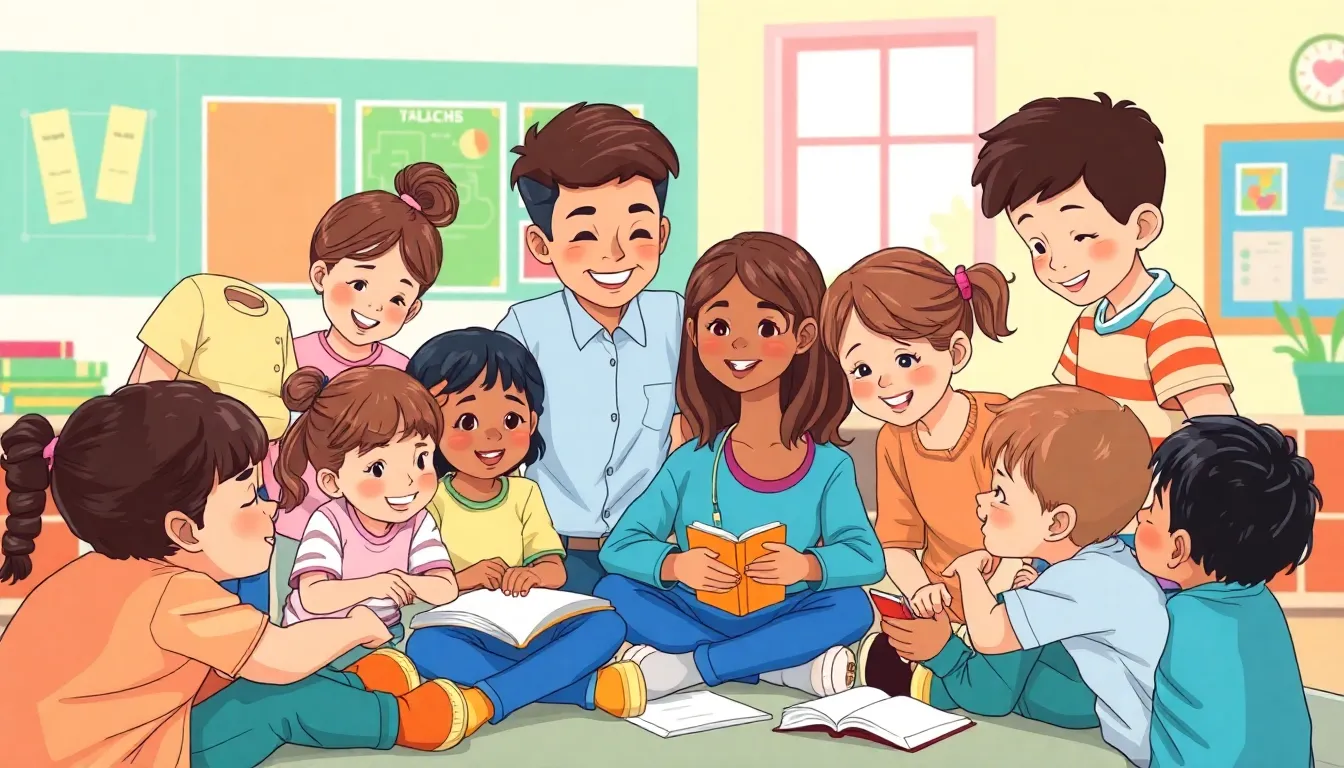
Understanding key theories in child psychology provides foundational insights into children’s development. These frameworks help decode complex behaviors essential for fostering healthy emotional and cognitive growth.
Psychoanalytic Theories
Psychoanalytic theories assert that early experiences shape personality and behavior. Sigmund Freud’s model emphasizes the influence of unconscious desires and childhood experiences on adult life. The stages of psychosexual development highlight that individual conflicts during these stages can affect personal development. Anna Freud expanded these ideas to focus on the ego and its role in managing inner conflicts. Furthermore, Melanie Klein introduced the concept of object relations, exploring relationships with caregivers and their impact on self-concept and interpersonal skills.
Behavioral Theories
Behavioral theories focus on observable behaviors rather than internal thoughts or feelings. B.F. Skinner’s operant conditioning explains how reinforcement shapes behavior through rewards or punishments. Through behavior modification techniques, educators and parents can encourage positive behaviors and reduce undesirable ones. Albert Bandura introduced social learning theory, emphasizing the importance of modeling and imitation in learning. These theories underscore that environmental factors significantly influence children’s development, providing practical strategies for managing behavior.
Cognitive Development Theories
Cognitive development theories center on how children process information and develop thought patterns. Jean Piaget’s theory outlines stages from sensorimotor to formal operational, highlighting how children construct knowledge through experiences. During these stages, children develop essential cognitive skills, including problem-solving and critical thinking. Lev Vygotsky contributed with his social development theory, emphasizing the role of social interaction in cognitive growth. Collaborative learning environments enhance cognitive development by allowing children to explore ideas together, enriching their understanding.
Major Influences on Child Psychology
Various factors shape child psychology, influencing emotional, cognitive, and social development. Understanding these influences aids parents and educators in supporting children’s growth.
Family Environment
Family dynamics play a crucial role in shaping a child’s psychological well-being. Nurturing environments foster secure attachments, while inconsistent parenting can lead to emotional distress. Parents provide the primary models for behavior, communication, and coping mechanisms. Children observe and imitate these behaviors, impacting their social interactions and conflict resolution skills. Research indicates that supportive family structures correlate with higher self-esteem and better academic performance. Establishing healthy communication patterns within families enhances emotional intelligence, allowing children to express feelings effectively.
Social Interaction
Social interactions significantly affect a child’s psychological development. Engaging with peers fosters essential social skills such as cooperation, empathy, and negotiation. Group activities encourage sharing experiences and help children learn how to navigate different social contexts. Peer relationships contribute to emotional regulation and resilience, with positive interactions promoting a sense of belonging. Studies reveal that children with strong social connections experience lower levels of anxiety and depression. Encouraging friendships and structured social opportunities helps build essential coping skills and strengthens emotional well-being.
Cultural Factors
Cultural influences shape children’s attitudes, beliefs, and behaviors significantly. Norms, values, and expectations within a culture guide child-rearing practices and educational opportunities. Different cultures prioritize various aspects of development, such as independence, collectivism, or academic achievement. Exposure to diverse cultural perspectives broadens a child’s worldview, enhancing critical thinking and adaptability. Research shows that cultural identity impacts self-esteem and social behavior. Understanding cultural context is vital for fostering inclusive environments that support children’s unique developmental needs.
Techniques and Approaches in Child Psychology
Understanding child psychology involves various assessment methods and therapeutic interventions that support children’s development.
Assessment Methods
Evaluation techniques play a crucial role in understanding a child’s psychological state. Standardized tests measure cognitive abilities and identify learning disabilities. Observational assessments involve watching a child in natural settings to gauge behavior and interactions. Parent and teacher interviews provide insights into the child’s emotional and social development, revealing patterns over time. Additionally, case studies offer detailed examinations of individual children’s experiences. Collectively, these methods help professionals tailor support and interventions to meet specific needs.
Therapeutic Interventions
Numerous therapeutic approaches target emotional and behavioral challenges in children. Play therapy enables children to express feelings through creative play, facilitating communication that might otherwise be difficult. Cognitive-behavioral therapy (CBT) addresses negative thought patterns, promoting healthier coping strategies. Family therapy emphasizes addressing systemic issues within family dynamics that affect a child’s well-being. Furthermore, art and music therapy harness creative expression as a pathway to emotional healing. Each intervention aims to empower children and promote resilience, fostering a supportive environment for growth.
Future Directions in Child Psychology
Child psychology continues to evolve, emphasizing the importance of innovative practices and research. Increased focus on emotional well-being and mental health awareness drives the field forward.
Emerging Trends
Teletherapy presents a significant development in child psychology, enabling easier access to mental health services. It offers convenience for families while maintaining quality care. Additionally, the incorporation of technology, such as apps and online platforms, helps children engage with mental health resources interactively. Furthermore, mindfulness and emotional regulation techniques gain popularity, equipping children with tools to navigate challenges. Specialized programs for neurodiverse children also expand, catering to unique developmental needs and enhancing support options.
Areas for Research
Future research in child psychology aims to explore the intersection of technology and mental health. Investigating the impact of social media on children’s psychological well-being will prove essential. Understanding the role of adverse childhood experiences and trauma in shaping long-term mental health outcomes remains a priority, helping to inform therapeutic practices. Additionally, cross-cultural studies will provide insights into how different environments influence child development. Study of the effectiveness of various therapeutic interventions, particularly for specific populations, can further refine approaches and tailor support strategies.
Understanding child psychology is essential for fostering healthy development in children. By grasping the complexities of their emotions and behaviors, parents and educators can create nurturing environments that enhance communication and support growth.
The insights gained from various psychological theories and assessment methods empower adults to address children’s unique needs effectively. As the field continues to evolve with new research and innovative practices, it becomes increasingly important to stay informed.
Embracing these principles not only strengthens relationships with children but also equips them with the skills they need to thrive in an ever-changing world. Ultimately, a deeper understanding of child psychology lays the foundation for a brighter future for the next generation.

