
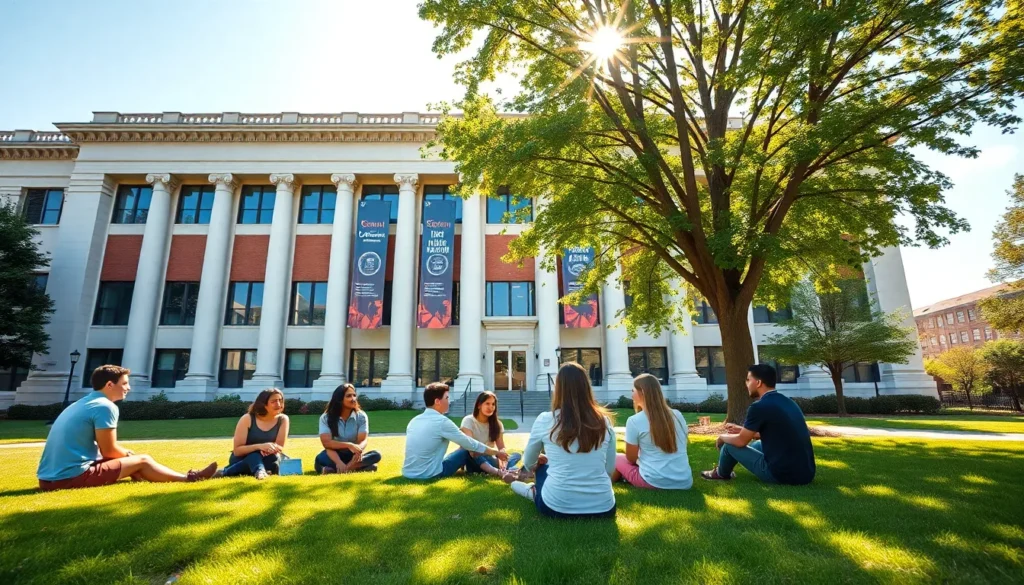
Considering a degree can be daunting, especially when it comes to that five-letter word: tuition. Barton College tuition might seem like a cozy financial blanket or a daunting mountain to climb, depending on how you look at it. But fear not. This guide breaks down everything you need to know about settling those tuition blues. Let’s jump into what Barton College has to offer, and yes, we’ll include how to keep your wallet happy along the way.
Understanding Barton College’s Tuition Structure

Breakdown of Tuition Costs
Barton College offers competitive tuition rates that can attract a wide range of students. For the academic year, undergraduate students face a tuition price of around $30,000. But, this figure can vary based on whether students are in-state or out-of-state, along with their chosen academic program. Specialized programs, such as nursing or education, sometimes have additional fees due to the unique resources and facilities they require.
It’s essential to note that the tuition is only one piece of the puzzle. For instance, other costs come into play when budgeting for college life, such as housing, which can add another $10,000 to $12,000, depending on residency plans and whether you opt for a meal plan.
Additional Fees and Expenses
Beyond tuition and housing costs, students should budget for additional fees. These may include:
- Technology Fees: Generally ranging from $300 to $500 per semester, this fee covers essential tech resources.
- Student Activity Fees: Typically around $200 per year, it helps fund clubs and activities on campus for a vibrant student life.
- Health and Wellness Fees: These costs can vary but budget for roughly $200 to ensure access to campus health services.
All these factors combined can alter the overall cost of attending Barton College. Taking a closer look ensures that students are better prepared financially.
Comparing Tuition with Other Institutions
When considering Barton College, it’s wise to weigh its tuition against that of similar institutions. For comparison, public universities often charge lower tuition, especially for in-state residents, typically around $10,000 to $18,000 per year. Private colleges, on the other hand, can be as high as $50,000 on average.
Barton College, being a private institution, is on the higher end of the spectrum: but, it often makes up for this with personalized programs, smaller class sizes, and numerous resources available to students. This tailored education can justify the cost, especially when compared to larger universities that may not provide one-on-one attention.
Financial Aid Opportunities at Barton College
Scholarships and Grants Available
One of the most appealing aspects of Barton College is the variety of financial aid options available to students. Scholarships are awarded based on factors such as academic performance, extracurricular involvement, and even financial need. The college offers both merit-based and need-based scholarships, substantially lowering the total cost of attendance for many.
Grants, which don’t require repayment, also play a crucial role. Students can explore federal grants such as the Pell Grant or the state’s Tuition Assistance Grant, generally targeted at students showing significant financial need.
Work-Study Programs and Other Financial Aid
Plus to scholarships and grants, Barton College offers work-study programs that enable students to work part-time while attending school. Not only does this provide a source of income, but it also offers valuable work experience. The positions can range from on-campus jobs to community service roles, fitting nicely alongside the academic schedule.
Financial aid options don’t stop there: students can also consider federal student loans. While taking loans can build debt, they enable students to invest in their education now, with an eye on paying it back in the future.
Planning Your Budget: Tips and Considerations
Budgeting for college can feel like a Herculean task, but it doesn’t have to be. Here are some tips to help keep financial stress at bay:
- Create a Detailed Budget: List all expected costs, tuition, housing, fees, and personal expenses. Having a visual can keep spending in check.
- Use a Financial Planner: Financial aid offices at colleges can provide tools and resources to help students plan effectively.
- Consider Off-Campus Housing: Renting off-campus can sometimes be cheaper than on-campus living. Research local options thoroughly to find the best fit.
- Take Advantage of Discounts: Look for student discounts, particularly for textbooks. Purchasing used books or digital versions can save significant money.
Long-Term Value of a Barton College Education
Investing in a college education is a significant decision, and the long-term value of a Barton College degree can significantly outweigh the initial costs. Alumni of Barton College often go on to secure promising positions in their fields. The career center aids students in finding internships and job placements, further enhancing employability.
Notably, graduates might enjoy higher salary potentials over time, especially if they leverage their connections and the skills acquired during their time at Barton. So, even though the sticker price may seem daunting, the return on investment can be quite favorable.

