
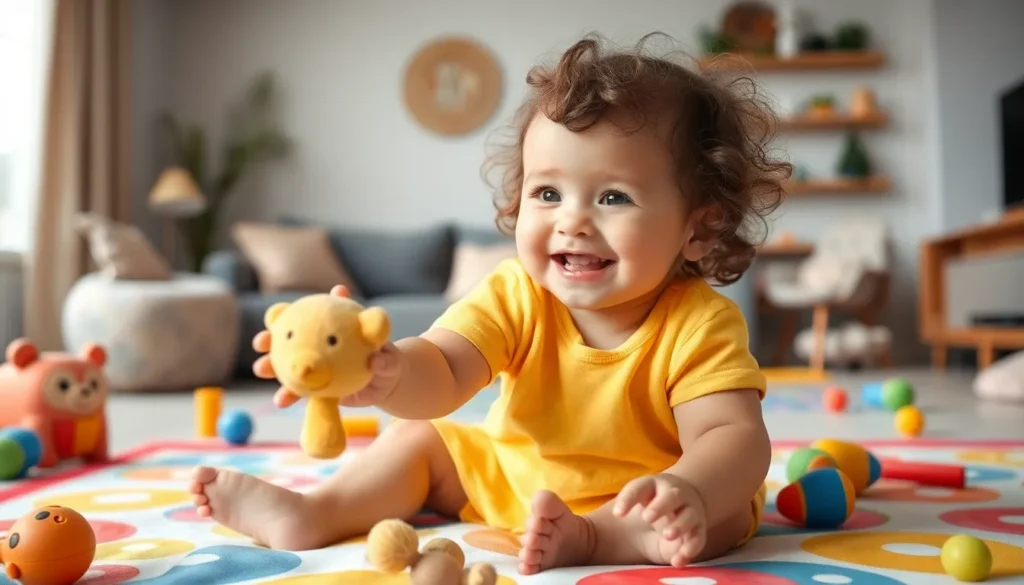
Watching a baby grow is like witnessing a tiny superhero in training. Each milestone they hit is a new power unlocked—first smiles, wobbly steps, and those adorable babbles that could charm even the grumpiest of adults. These moments are not just cute; they’re essential markers in a child’s development journey.
Understanding Baby Milestones
Observing baby milestones offers insight into a child’s growth and development. Parents often notice significant achievements such as first smiles, which usually occur between 6 to 8 weeks. These early social interactions lay the foundation for emotional connections.
Crawling typically begins around 6 to 10 months. This movement demonstrates increased muscle strength and coordination. Parents can encourage crawling by placing toys slightly out of reach.
Walking independently often happens between 9 and 15 months. Each step enhances balance and coordination. Celebrating these milestones boosts a child’s confidence and motivates them to continue exploring their environment.
Language development emerges significantly during the first year. By 12 months, babies usually utter their first words. Talking to infants consistently helps enhance vocabulary and communication skills.
Fine motor skills develop alongside gross motor skills. Activities like grasping small objects strengthen hand coordination. By 15 months, many babies can use a pincer grasp, which is crucial for self-feeding.
Tracking these milestones aids in identifying potential delays. Regular check-ups with pediatricians ensure developmental benchmarks are met. Growth patterns vary among children, so individual progress matters most.
Engaging with babies during each phase of their milestones enhances interactions. Encouragement from parents plays a critical role in fostering a child’s development. Understanding and observing baby milestones creates a supportive environment for growth.
Physical Milestones
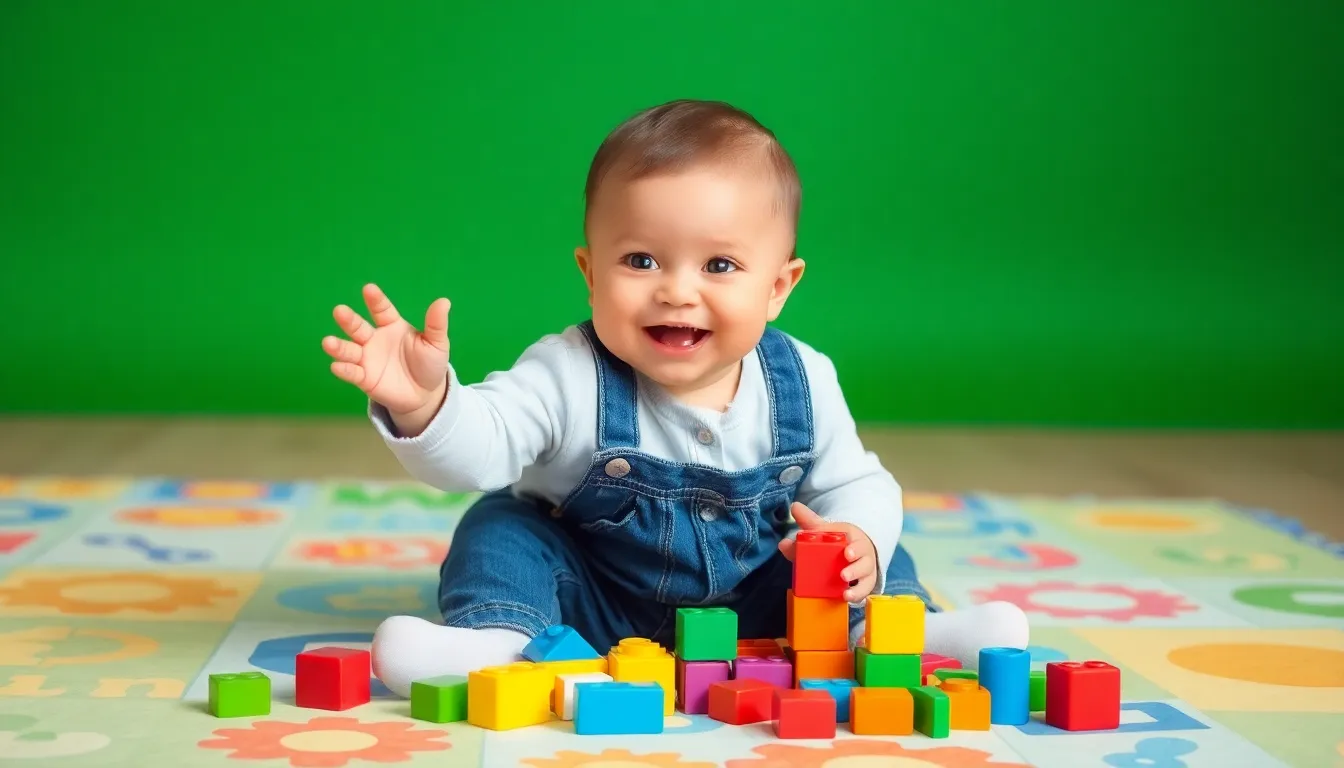
Physical milestones mark essential growth phases in babies. These milestones encompass both gross and fine motor skills, crucial for a child’s development.
Gross Motor Skills
Gross motor skills involve larger muscle movements, allowing babies to perform various physical activities. Infants typically roll over by 4 to 6 months, a sign of developing strength and coordination. Sitting without support follows around 6 to 9 months, enabling better interaction with the environment. Crawling often begins between 6 and 10 months, encouraging exploration and mobility. By 9 to 15 months, many babies take their first independent steps, showcasing their balance and coordination. Parents play a vital role at this stage, providing safe spaces for movement and encouraging physical play.
Fine Motor Skills
Fine motor skills focus on smaller muscle movements, like grasping and manipulating objects. Babies generally develop the pincer grasp by 9 to 12 months, allowing them to pick up small items like Cheerios. Starting around 12 months, toddlers imitate using utensils and stacking blocks, demonstrating improved dexterity. By 15 months, many can turn pages of a book, showing their growing hand-eye coordination. Engaging in activities like finger painting and building blocks fosters fine motor development, enhancing cognitive skills alongside physical ones.
Cognitive Milestones
Cognitive milestones reflect how babies think, learn, and understand their world. Recognizing these stages supports parents in nurturing development effectively.
Problem Solving
Babies start developing problem-solving skills early. At six months, they display curiosity by manipulating objects. Around nine months, they engage in simple cause-and-effect actions, like shaking a toy to produce sound. By the time they’re 12 months, many babies experiment with different strategies to retrieve toys that are out of reach. These experiences are vital as they foster cognitive growth and encourage critical thinking. Encouraging exploration through playtime with varied toys enhances this skill further.
Language Development
Language milestones emerge gradually, beginning with cooing around two months. By six months, babies communicate with babbling and different sounds. At 12 months, many infants say their first recognizable words such as “mama” or “dada.” Developing vocabulary continues through imitation and interaction. Reading aloud and engaging in conversations promotes language acquisition effectively. By 18 months, babies often understand simple instructions and can identify familiar objects, indicating growth in comprehension. Parental involvement is key to nurturing these communication skills.
Social and Emotional Milestones
Social and emotional milestones represent key aspects of a baby’s development, highlighting the importance of relationships and interactions.
Attachment and Bonding
Attachment forms early in life and plays a crucial role in emotional well-being. By around 6 months, babies start to exhibit strong attachments to caregivers, displaying preferences for familiar faces. These connections foster security, allowing infants to explore their environment confidently. As babies grow, secure attachments contribute to better emotional regulation. Parents can enhance bonding through consistent responsiveness, cuddling, and eye contact, which nurtures a strong foundation for social relationships.
Social Interaction
Social interaction emerges as babies develop their emotional landscape. From 6 to 12 months, infants begin to engage in smiling and cooing during interactions, signaling their growing social awareness. They respond to others’ emotions, demonstrating empathy even at an early age. By 12 to 18 months, sharing and turn-taking abilities appear. Engaging babies in play and conversation supports these skills, promoting social competence. Regular social exposure with peers encourages adaptability and communication. Frequent interactions thus prepare babies for future relationships and social situations.
Tracking baby milestones is essential for understanding a child’s growth journey. Each achievement not only marks a developmental step but also builds confidence and encourages exploration. Engaging with babies during these crucial phases fosters a nurturing environment that supports their physical, cognitive, and emotional development. Regular check-ups and parental involvement ensure that children meet their milestones and thrive. Celebrating these moments helps parents appreciate the unique journey of their little ones as they transform from infants into curious toddlers ready to explore the world.

