
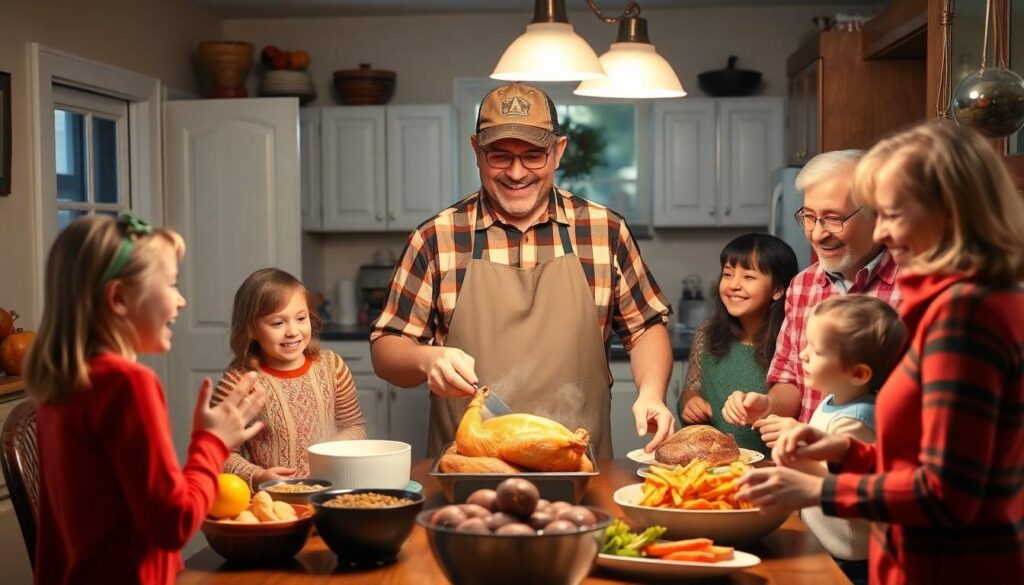
Family traditions are the glue that holds generations together, often sprinkled with a dash of humor and a healthy dose of love. From quirky holiday rituals to weekly game nights that can get a little too competitive, these customs create lasting memories and stories that families cherish. Who doesn’t laugh at the time Uncle Joe tried to deep-fry a turkey and nearly set the backyard ablaze?
Importance of Family Traditions
Family traditions enhance bonds among relatives. They provide consistency and stability, creating a safe environment for individuals to express themselves. These customs can evolve over time, adapting to new family members or circumstances while retaining their core values.
Shared experiences through traditions contribute to a sense of belonging in families. They create a foundation for identity, allowing members to know and appreciate their history. Traditions often create opportunities for storytelling, reinforcing connections between generations as memories are recounted.
Involvement in family traditions encourages participation and collaboration. Engaging in these rituals fosters teamwork and communication skills. Whether it’s preparing a holiday meal or joining in on game nights, these traditions give everyone a role to play, making each person feel valued.
Cultivating traditions strengthens emotional ties. Families find comfort in repetition, often cherishing rituals that define their unique dynamics. Lighthearted moments, such as the incident with Uncle Joe and the deep-fried turkey, exemplify how these experiences bring laughter and joy.
Building a legacy through traditions promotes family values. These customs often reinforce principles such as gratitude and generosity. Celebrating the same holiday traditions year after year instills a sense of continuity and tradition in upcoming generations, ensuring that the essence of family life persists.
Overall, family traditions are vital in maintaining connections, creating memories, and fostering a lasting legacy. These practices highlight the significance of relationships, ensuring that family members remain intertwined through shared experiences and stories.
Common Examples of Family Traditions
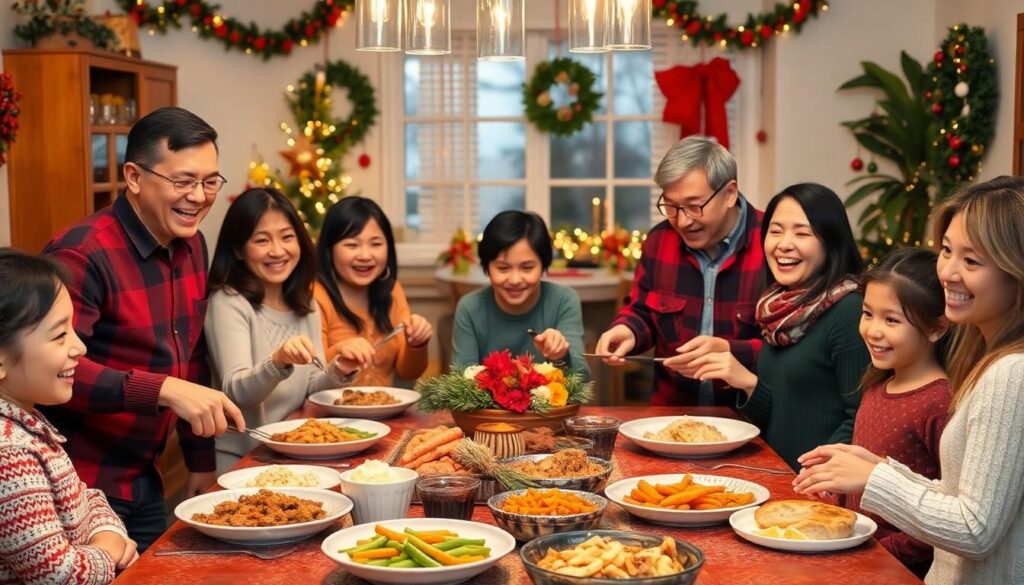
Family traditions often manifest in various forms, enhancing bonds among family members.
Holiday Celebrations
Holiday celebrations represent a significant aspect of family traditions. Families gather to mark important occasions like Thanksgiving, Christmas, or Hanukkah. Each holiday may involve specific activities such as decorating the house, cooking traditional meals, or exchanging gifts. For instance, some families light candles on Hanukkah while others attend church services on Christmas Eve. These shared rituals foster unity and provide a recurring opportunity for families to come together and reflect on their heritage.
Family Recipes
Family recipes often hold emotional value, representing generations of culinary heritage. Many families pass down cherished recipes for dishes like lasagna, biscuits, or grandma’s famous chocolate cake. Cooking these meals during gatherings creates a sense of nostalgia and connects family members to their roots. Recipe cards or cookbooks may be filled with notes and stories, illustrating their significance. Preparing these meals involves teamwork, allowing everyone to participate and create new memories while enjoying time spent together.
Annual Trips
Annual trips form a vital tradition for many families, offering a chance to explore and bond. These excursions could range from beach vacations to camping adventures in national parks. Each year might bring new destinations, but they always provide time for shared experiences. Activities like hiking, fishing, or visiting local attractions often become highlights. Families create lasting memories during these trips, strengthening their connections and establishing rituals that can carry through generations.
Unique Family Traditions Around the World
Family traditions vary significantly across cultures, reflecting unique values and practices. In Japan, New Year’s celebrations, known as Shogatsu, feature specific customs like eating soba noodles for longevity. In Mexico, Día de los Muertos honors deceased loved ones with colorful altars and family gatherings, emphasizing remembrance and connection. Scottish families celebrate Hogmanay, welcoming the New Year with unique customs like first-footing, ensuring luck and prosperity in the year ahead. Each cultural variation underlines the importance of heritage and family ties.
Cultural Variations
Different countries exhibit distinct family customs, offering rich tapestries of traditions. In India, festivals like Diwali include shared meals and the lighting of lamps, symbolizing knowledge and victory over darkness. Nigerian families often partake in elaborate wedding ceremonies, showcasing vibrant attire and communal celebrations, reinforcing unity. In Italy, Sunday family dinners serve as a cornerstone for maintaining bonds, with dishes served from generations past. Variations in rituals highlight the diversity of family experiences, making traditions unique yet universally significant.
Personal Stories
Personal stories linked to family traditions often create lasting impressions. One individual recalls the excitement of baking cookies with Grandma every holiday season. These moments turned into cherished memories, filled with laughter and warmth. Another family recounts their yearly camping adventure, where storytelling around the campfire became a beloved ritual, strengthening connections through shared experiences. The uniqueness of personal narratives not only reinforces family ties but also showcases how traditions evolve and adapt to individual experiences, leaving lasting impacts on all involved.
Benefits of Maintaining Family Traditions
Maintaining family traditions fosters emotional connections among relatives. These practices create a sense of belonging, enhancing relationships through consistent, shared experiences. Safety and security arise from regular rituals, allowing family members to express themselves freely.
Participation in traditions promotes teamwork and communication skills. When families collaborate on tasks like preparing meals or organizing game nights, everyone feels valued and included. Additionally, engaging in these activities reinforces the importance of collaboration, making bonds even stronger.
Strengthening family values occurs through the practice of traditions. Generosity, gratitude, and respect cultivate a legacy that children carry into adulthood. Teaching these principles can happen naturally during festive gatherings or while sharing family recipes.
Creating cherished memories is another significant benefit. Family traditions generate stories that become woven into the fabric of family history. Recounting incidents like Uncle Joe’s turkey-frying mishap illustrates how laughter unites generations, creating connections that last a lifetime.
Providing continuity in an ever-changing world stands as a core benefit. Life’s transitions can cause uncertainty; however, traditions serve as anchors that help families navigate challenges together. These practices build resilience and foster a sense of stability that is vital for emotional well-being.
Celebrating diverse customs from various cultures enriches family life. Exposure to unique traditions, such as Japan’s New Year celebrations or Italy’s Sunday dinners, broadens perspectives and instills appreciation for heritage. Such understanding strengthens ties among family members by honoring their backgrounds.
Overall, maintaining family traditions cultivates meaningful relationships, instills values, and ensures the legacy of cherished customs. Families that prioritize these rituals enhance their dynamics while creating lasting memories together.
Family traditions play a crucial role in strengthening bonds and creating lasting memories. They serve as a foundation for connection and identity, allowing family members to come together and share unique experiences. Whether through holiday celebrations or simple rituals, these customs foster a sense of belonging and continuity.
As families navigate life’s challenges, traditions act as anchors that provide comfort and stability. They evolve over time yet maintain their core values, enriching relationships and instilling important principles in future generations. Embracing the diversity of traditions worldwide further enhances the richness of family life, cultivating appreciation for heritage. Ultimately, family traditions are essential in weaving together the fabric of family history, ensuring that cherished stories and values are passed down through generations.

