
Hispanic family traditions are like a vibrant tapestry woven with love, laughter, and a dash of spice. From the lively gatherings that turn into dance-offs to the mouthwatering feasts that could put a five-star restaurant to shame, these traditions bring families together in ways that are nothing short of magical.
Overview Of Hispanic Family Traditions
Hispanic family traditions form an essential aspect of cultural identity, demonstrating a deep sense of belonging. Celebrations often center around unique customs that foster tight-knit relationships among family members. Each gathering showcases a blend of historical influences, reflecting indigenous, Spanish, and African heritage.
Food plays a critical role in these traditions, serving as a medium for families to share recipes passed down through generations. Traditional dishes, such as tamales during Christmas or paella during special occasions, bring families together. Special recipes may vary by region, yet they maintain a consistent emphasis on communal eating.
Religious customs also hold significance in Hispanic traditions. Many families celebrate milestones through religious events, such as baptisms, first communions, or quinceañeras. These ceremonies often involve vibrant decorations, music, and dancing, highlighting the importance of faith and community.
Music and dance frequently accompany family gatherings. Traditional dances, such as salsa or flamenco, often create a lively atmosphere, encouraging participation from all ages. These lively activities foster connections and memories that last a lifetime.
Additionally, storytelling plays a pivotal role in preserving cultural heritage. Elders recount tales that reflect family histories and cultural beliefs. Children learn about their roots, ensuring that traditions endure for future generations.
Special holidays also bring families together. Events like Día de los Muertos celebrate ancestors and loved ones, blending remembrance with festivity. Each tradition serves to deepen family bonds and connect individuals to their cultural heritage, creating a vibrant legacy of love and unity.
Cultural Significance
Hispanic family traditions carry immense cultural significance, influencing daily interactions and shaping personal identities within communities.
Importance In Daily Life
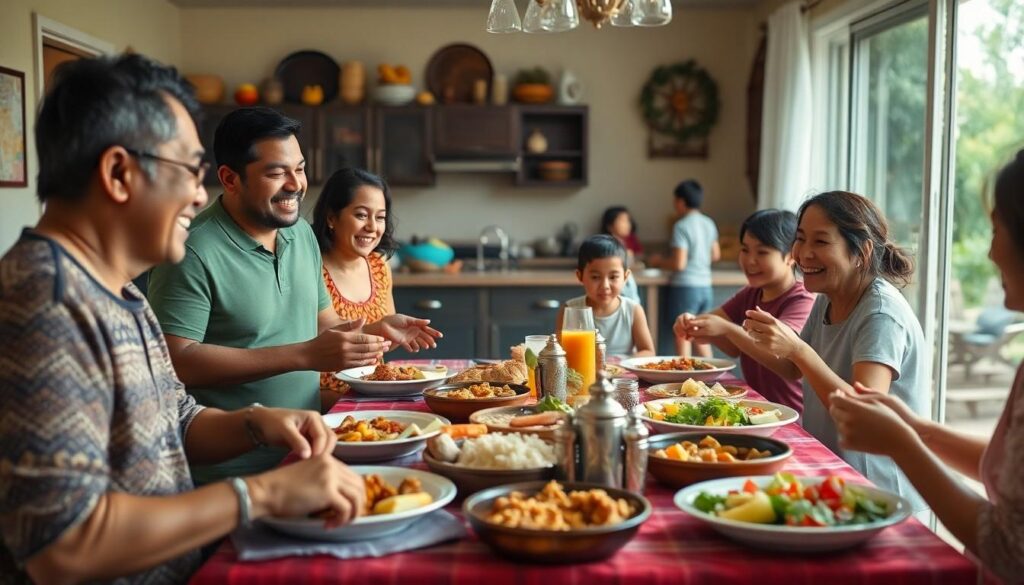
Food serves as a central element in daily life, bringing families together through shared meals. Celebrations often become focal points for family bonding, whether they occur in homes or larger community gatherings. Daily practices, such as sharing stories or music, also reinforce family connections, ensuring that cultural narratives thrive. Activities like preparing traditional dishes for special occasions enhance appreciation for heritage. Through these everyday rituals, families cultivate a strong sense of belonging and continuity.
Influence On Identity
Traditions play a pivotal role in forming cultural identity among Hispanic families. Recognizing shared customs fosters unity and strengthens familial ties. Participation in rituals like quinceañeras helps individuals embrace their heritage during key life transitions. Music genres like mariachi not only entertain but also instill pride in cultural roots. Celebrations such as Día de los Muertos connect individuals with ancestral traditions, emphasizing remembrance and celebration of life. Together, these experiences shape a profound sense of identity and community within Hispanic families.
Common Celebrations And Rituals
Hispanic families cherish various celebrations and rituals that emphasize love, unity, and cultural identity. These gatherings play a significant role in strengthening family bonds.
Birthdays And Milestones
Birthdays carry substantial importance in Hispanic culture, often celebrated with exuberant parties and vibrant decorations. Families typically gather for feasts, cake, and joyful singing. Milestones such as quinceañeras mark the transition from girlhood to womanhood, showcasing traditional dances and elaborate attire. Festivities often include family blessings, reinforcing communal ties. Furthermore, the influence of food remains evident through traditional dishes served during these celebrations, integrating recipes passed down through generations.
Religious Observances
Religious observances form a crucial part of Hispanic traditions, blending spirituality with familial connections. Baptisms serve as a significant event, welcoming newborns into the faith with family members present. Additionally, celebrations like Día de los Muertos honor departed loved ones, featuring altars adorned with photographs, flowers, and favorite foods of the deceased. Families unite to remember their ancestors, fostering a sense of continuity and belonging. Together, these practices reflect deep roots in faith, creating an enduring bond among family members and their cultural heritage.
Family Dynamics And Values
Hispanic family dynamics emphasize strong values such as respect, love, and unity. These values shape interactions and establish a sense of belonging among family members.
Role Of Elders
Elders hold a revered position within Hispanic families, serving as invaluable sources of wisdom and tradition. They often pass down cultural practices and stories, ensuring the preservation of heritage. Grandparents and other senior family members frequently recount experiences, connecting younger generations to their roots. Celebrating milestones becomes a shared effort, with elders imparting knowledge that enriches family events. Their guidance nurtures responsibility and respect, reinforcing the foundational values of the family unit.
Intergenerational Relationships
Intergenerational relationships thrive within Hispanic families, enhancing the cultural tapestry. Children often grow up surrounded by grandparents, fostering close bonds and respect. Each generation plays a unique role, with younger members bringing fresh perspectives and energy. Regular family gatherings encourage open dialogue among various age groups, promoting understanding and connection. Reciprocity is fundamental; children learn from their elders while providing support in return. Such relationships cultivate a rich environment where cultural norms and values flourish across generations.
Traditional Foods And Customs
Hispanic family traditions embrace a variety of delectable foods and customs that serve as a core aspect of their cultural identity. Signature dishes showcase regional flavors and family recipes, often enjoyed during gatherings and celebrations.
Signature Dishes
Tamales, empanadas, and paella exemplify signature dishes celebrated across diverse Hispanic cultures. Families often prepare these dishes during holidays and special occasions, linking generations through shared recipes. For instance, tamales stuffed with meats or vegetables represent culinary creativity, while paella offers a festive blend of seafood and meats from Spain. Each region contributes unique flavors, reflecting local ingredients and cooking techniques. Celebratory meals frequently involve these traditional dishes, reinforcing familial bonds and cultural heritage through food.
Culinary Practices
Culinary practices in Hispanic families emphasize community and togetherness. Families often cook together, creating an opportunity for sharing stories and teaching traditions. Specific rituals accompany food preparation, such as blessing the meal, which underscores gratitude and spirituality. Cooking techniques pass down generations, ensuring the preservation of beloved recipes. Family gatherings include vibrant colors, flavors, and aromas, making each meal a sensory celebration. Additionally, meals served during events like Día de los Muertos honor ancestors, blending food with remembrance, creating moments that connect the past with the present.
Hispanic family traditions embody a rich cultural legacy that celebrates love unity and identity. Through vibrant gatherings and shared meals families strengthen their bonds while honoring their heritage. The rituals and customs passed down through generations create lasting connections that shape individual identities and foster community.
From lively music and dance to the cherished stories of elders these traditions ensure that cultural values endure. Each celebration serves as a reminder of the importance of family and the joy found in togetherness. As these practices continue to thrive they not only enrich the lives of those who participate but also keep the spirit of Hispanic culture alive for future generations.

