
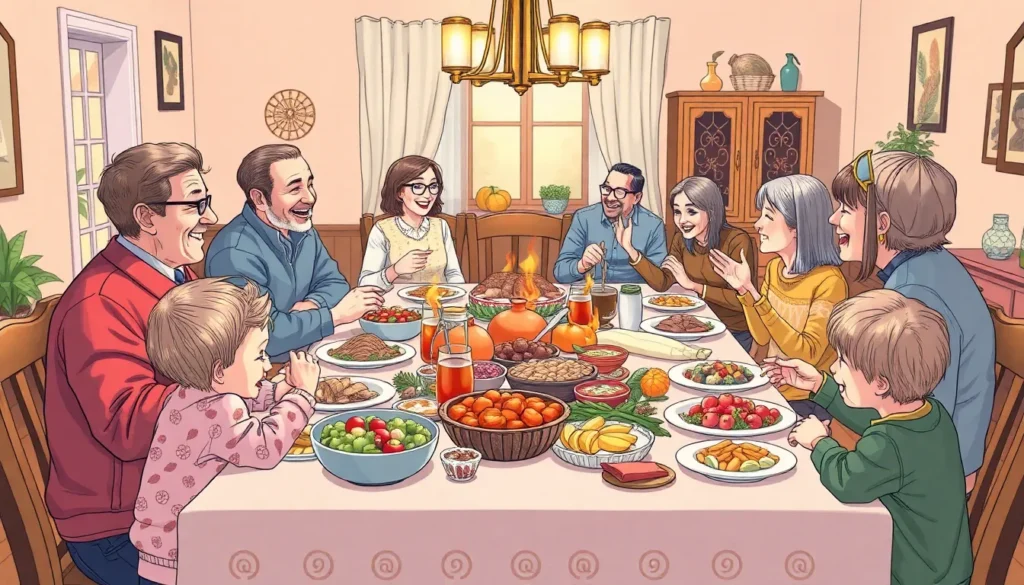
Family traditions are like the secret sauce that makes every gathering a little more flavorful. Whether it’s Grandma’s famous meatballs or the annual game night where Uncle Joe inevitably loses his pants, these cherished rituals bring families together in ways that nothing else can. They create lasting memories and stories that are retold for generations, often with a healthy dose of laughter and a sprinkle of embarrassment.
In a world that moves at lightning speed, a family tradition blog serves as a delightful reminder to slow down and savor those moments. It’s a treasure trove of ideas, tips, and anecdotes that inspire families to embrace their quirks and cultivate their unique legacies. So grab a seat at the virtual dinner table and discover how to keep those family ties strong while having a good chuckle along the way.
Understanding Family Traditions
Family traditions play a crucial role in fostering connections and creating shared memories. They serve as the glue that binds family members together through shared experiences and values.
Importance of Family Traditions
Family traditions provide a sense of identity and belonging. They create opportunities for families to connect, enhancing relationships across generations. Celebrating these rituals reinforces family values and teaches younger members the significance of their heritage. Many families find comfort in consistent gatherings, whether through holidays or special milestones. Engaging in these activities strengthens familial bonds and cultivates a rich tapestry of stories and memories to pass down.
Types of Family Traditions
Various types of family traditions exist to cater to different interests and preferences. Holiday traditions often involve specific meals or activities that families look forward to each year. Cultural traditions might include unique celebrations or rituals that reflect a family’s background. Additionally, some families establish weekly rituals, such as movie nights or game nights, to maintain connection amidst busy lives. These diverse practices ensure that every family can create meaningful traditions that resonate with their unique dynamics and experiences.
What to Include in a Family Tradition Blog
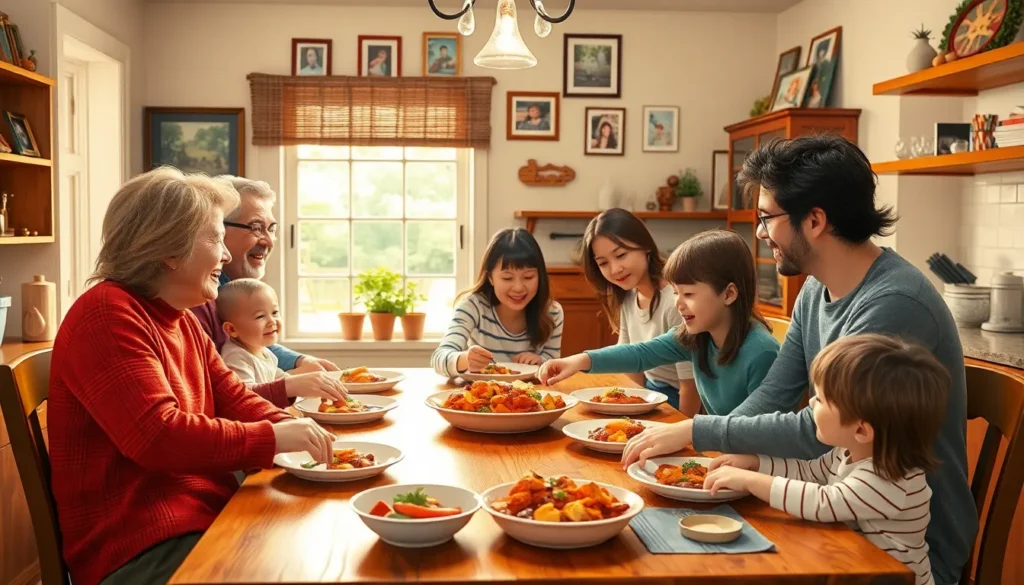
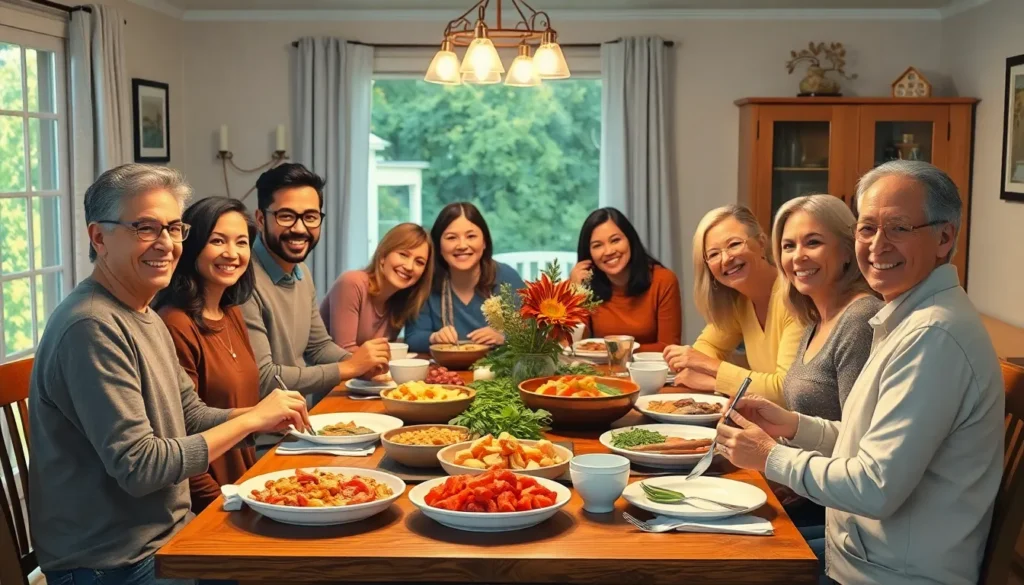
A family tradition blog should capture the essence of shared experiences and memories. Including diverse elements enriches the content, making it relatable and inspiring.
Personal Stories and Memories
Personal stories connect families across generations. Readers appreciate anecdotes about unique moments, whether they involve heartwarming gatherings or humorous mishaps. Each memory shared provides insight into family dynamics and traditions. Reflecting on first-time experiences or cherished events creates nostalgia, encouraging readers to reflect on their journeys. Highlighting stories about family members fosters a sense of connection, inviting others to share their own tales. Engaging narratives connect readers to the emotions tied to these traditions. Every piece of storytelling contributes to a broader understanding of what family means.
Recipes and Activities
Sharing cherished recipes emphasizes family heritage. Each recipe carries the love and memories associated with family gatherings. Including the origin of these dishes can spark interest among readers, prompting them to try and adapt these meals in their own homes. Activities, such as game nights or seasonal crafts, promote togetherness. Detailed descriptions of how families engage in these activities enhance relatability. Providing step-by-step guides facilitates participation, empowering readers to create their own traditions. This wealth of content cultivates a welcoming space for families to explore diverse ways of bonding.
Benefits of Writing a Family Tradition Blog
Creating a family tradition blog offers numerous advantages that enhance family connections and preserve legacies.
Strengthening Family Bonds
Writing about family traditions strengthens ties among members. By documenting shared experiences, individuals encourage open conversations about past gatherings and cherished moments. Engaging with each other through stories fosters an environment of understanding and belonging. Families often celebrate accomplishments and milestones, creating unity as they reminisce together. Consistent blogging not only reinforces these bonds but also inspires younger generations to appreciate the family’s rich history. When members contribute their unique perspectives, the blog transforms into a collective narrative that highlights the family’s journey.
Preserving Heritage
A family tradition blog preserves cultural heritage for future generations. By documenting customs, recipes, and rituals, families create a record that showcases their unique identity. Sharing anecdotes about family history promotes pride and awareness among younger members. Recognition of cultural roots helps individuals feel grounded in their ancestry. Additionally, legacies passed down through storytelling and blogging cultivate a sense of continuity. Valuable lessons embedded in these traditions guide future family practices. As a result, a family tradition blog not only honors the past but also celebrates the ongoing journey of familial connections.
Tips for Creating Engaging Content
Creating engaging content for a family tradition blog involves weaving authentic narratives and integrating visuals. Both elements play a crucial role in connecting with readers and enhancing their overall experience.
Writing Authentic Stories
Authentic stories resonate deeply with readers. Sharing personal anecdotes encourages others to reflect on their own family experiences. Highlighting unique traditions brings warmth and relatability to the blog. Writers should focus on specific moments that evoke emotion, such as holiday gatherings or memorable family events. Observations about family dynamics can add depth to narratives, emphasizing the significance of connections. Readers appreciate vulnerability, so showcasing both joyful and challenging experiences fosters genuine engagement. Consistent storytelling nurtures a sense of belonging, inviting readers to become part of the ongoing family narrative.
Using Visuals Effectively
Effective use of visuals enhances engagement on a family tradition blog. High-quality images capture the essence of shared moments, providing a visual storytelling element that complements written content. Photos of family gatherings, recipes, or cultural events enrich the blog and make it visually appealing. Infographics summarizing traditions can convey information quickly and attractively. Videos showcasing family activities add a dynamic touch, inviting interaction. Incorporating visuals strategically ensures readers remain interested and connected to the content. Relevant visuals not only break up text but also evoke emotions, making narratives more relatable and impactful.

