
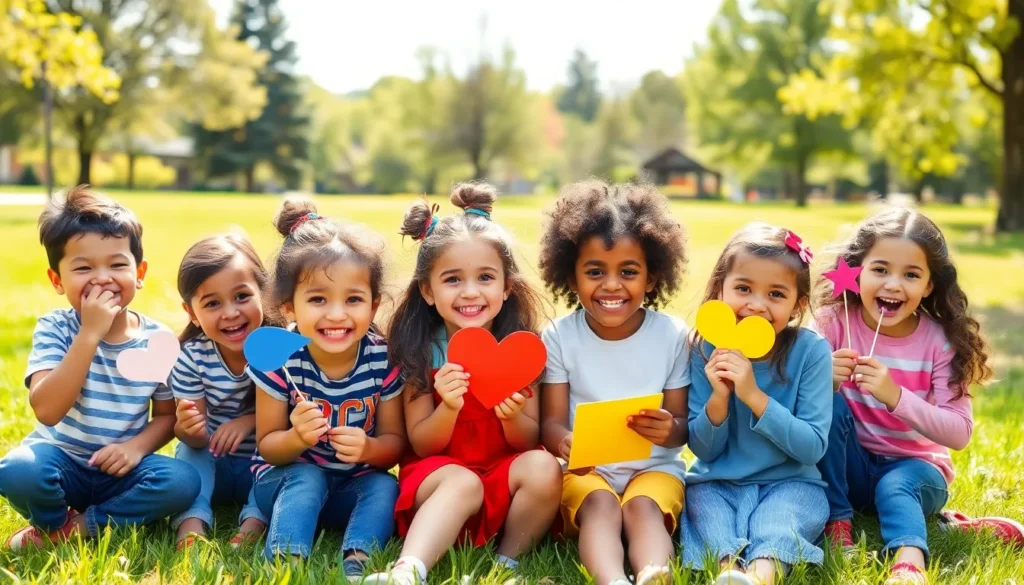
In a world where kids can master video games faster than they can tie their shoes, emotional intelligence often takes a backseat. But what if teaching kids to understand their feelings could be just as exciting as their latest gaming adventure? Emotional intelligence is the secret sauce that helps children navigate friendships, resolve conflicts, and even ace those tricky social situations.
Imagine a child who not only knows how to express their emotions but can also empathize with others. That’s a superpower worth cultivating! By nurturing emotional intelligence, parents can equip their kids with the tools they need to thrive in life’s rollercoaster of emotions. So, let’s dive into the fun and engaging ways to help kids become the emotional ninjas of their playgrounds.
Understanding Emotional Intelligence for Kids
Emotional intelligence plays a crucial role in a child’s development. It encompasses the ability to understand one’s own emotions and the emotions of others.
Definition of Emotional Intelligence
Emotional intelligence refers to the capacity to recognize, comprehend, and manage emotions. It includes skills such as emotional awareness, empathy, and effective communication. Recognizing emotions in oneself and others fosters better relationships. Additionally, children with high emotional intelligence often express their feelings clearly while also considering how others might feel. This skill set serves as a foundation for social interactions and emotional growth.
Importance of Emotional Intelligence in Childhood
Emotional intelligence significantly affects a child’s overall well-being and development. It enhances social skills, leading to stronger friendships and effective conflict resolution. Children adept at managing emotions often demonstrate better academic performance. Self-regulation allows kids to cope with stress and adapt to changing situations. Learning empathy equips them to understand diverse perspectives, promoting inclusivity. Emotional intelligence contributes to resilience, helping children face challenges in a positive manner.
Developing Emotional Intelligence Skills
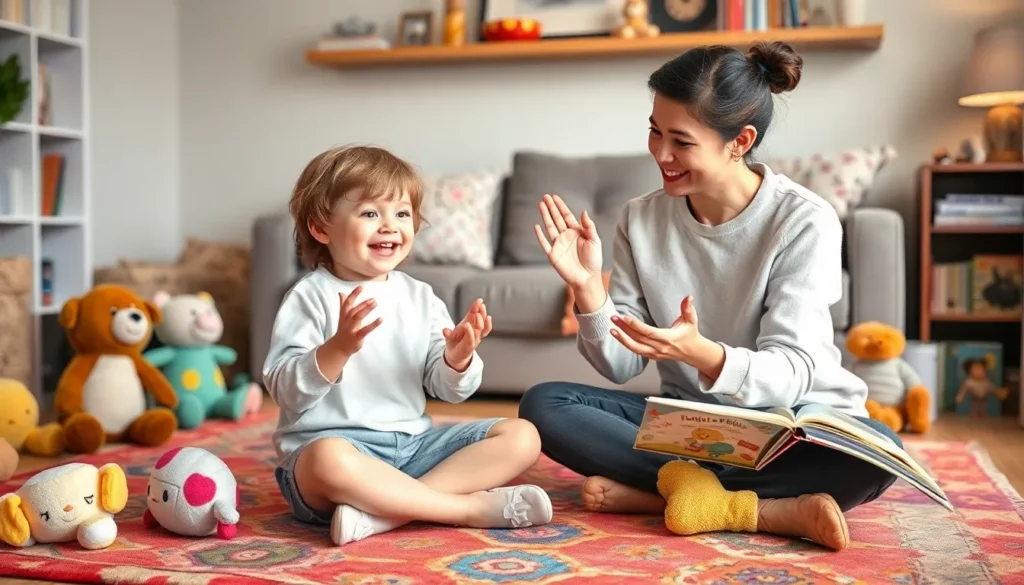
Developing emotional intelligence involves several key skills essential for children’s growth. Each skill contributes to better emotional awareness and social interaction.
Recognizing Emotions
Recognizing emotions enables children to understand their feelings and those of others. Children can be taught to identify emotions through facial expressions and tone of voice. Engaging activities like emotion charades help them practice this skill. In this way, they learn to label their feelings accurately. Using books or movies, parents can facilitate discussions about characters’ emotions, enhancing their ability to recognize different emotional states.
Expressing Emotions Appropriately
Expressing emotions appropriately helps children communicate their feelings effectively. Role-playing can serve as a useful method for teaching children how to convey emotions in various situations. For instance, practicing scenarios like feeling upset or excited allows them to articulate their feelings without becoming overwhelmed. Encouraging journaling can also provide a safe space for children to express thoughts and emotions. Involving them in conversations about appropriate emotional expression fosters healthier communication habits.
Empathy and Understanding Others
Empathy enhances children’s ability to connect with peers. Encouraging children to consider how others feel nurtures this vital skill. Activities such as discussing different perspectives during storytime can deepen their understanding. Observing real-life situations and discussing feelings can also offer practical lessons in empathy. Teaching children to ask open-ended questions lets them engage in meaningful conversations. Developing empathy not only improves relationships but also promotes supportive social environments.
Strategies to Enhance Emotional Intelligence in Kids
Enhancing emotional intelligence in kids involves practical techniques. Engaging activities and open communication play significant roles in this process.
Engaging Activities and Games
Emotion charades challenges kids to act out feelings, helping them recognize emotions in themselves and others. Sharing stories from books or movies fosters discussion about characters’ emotions, allowing children to explore feelings in different contexts. Additionally, role-playing scenarios lets kids practice expressing emotions in a safe environment. The use of art projects can also serve as an outlet for emotional expression, encouraging creativity while discussing feelings. Board games that require teamwork and cooperation can reinforce social skills, offering fun while practicing emotional awareness. All these activities contribute significantly to nurturing children’s emotional intelligence.
Encouraging Open Communication
Promoting open communication establishes a safe space for kids to express their feelings. Asking open-ended questions gives children opportunities to share thoughts and experiences, deepening conversations about their emotions. Discussing daily events helps kids make connections between actions and feelings, enhancing their understanding of emotional responses. Active listening is crucial during these conversations, showing kids they are valued and heard. Celebrating small victories in emotional expression encourages further dialogue, creating a supportive environment. These practices enhance children’s comfort levels in discussing feelings, which builds their emotional intelligence over time.
Modeling Emotional Intelligence
Modeling emotional intelligence sets a powerful example for children. Demonstrating effective emotional regulation showcases appropriate ways to handle various feelings. Sharing personal emotional experiences allows kids to see authentic responses in real-time. Using language that describes emotions, such as “I feel frustrated” or “I am happy,” helps them learn to articulate their feelings. Encouraging self-reflection through daily discussions about emotional responses reinforces the importance of understanding one’s feelings. These practices teach children valuable lessons in empathy and emotional management, ultimately influencing their emotional development significantly.
The Role of Parents and Educators
Parents and educators play crucial roles in fostering emotional intelligence in children, which significantly impacts their overall development.
Supporting Emotional Learning at Home
Creating a supportive environment at home enhances emotional learning. Parents can initiate conversations about feelings and regular check-ins about emotional well-being. Offering praise for labeling emotions encourages children to express themselves openly. Playing games that involve emotions, such as charades, facilitates understanding and recognition of feelings. Journaling also serves as a helpful tool, allowing kids to articulate their thoughts. Observing and acknowledging children’s emotions validates their experiences and nurtures resilience. Combining these strategies builds a strong foundation for emotional intelligence.
Integrating Emotional Intelligence in the Classroom
Classrooms can effectively incorporate emotional intelligence into daily activities. Teachers can use role-playing scenarios to demonstrate emotional responses in various situations. Open discussions about characters’ feelings in stories help students connect literature with real-life emotions. Utilizing team-based activities fosters collaboration, encouraging empathy among peers. Providing opportunities for students to share personal experiences strengthens emotional connections. Creating a safe environment in which students feel comfortable expressing themselves cultivates emotional awareness. Integrating these practices consistently enhances students’ ability to manage their emotions.
Fostering emotional intelligence in kids is a vital investment in their future. By equipping them with the tools to understand and manage their emotions, parents and educators pave the way for healthier relationships and stronger social skills. Engaging activities and open communication create an environment where children can thrive emotionally.
As they practice empathy and learn to express their feelings, kids develop resilience and adaptability. This “superpower” not only enhances their academic performance but also prepares them for life’s challenges. Nurturing emotional intelligence today ensures that children grow into well-rounded individuals capable of navigating the complexities of tomorrow.

